






What's Happening?
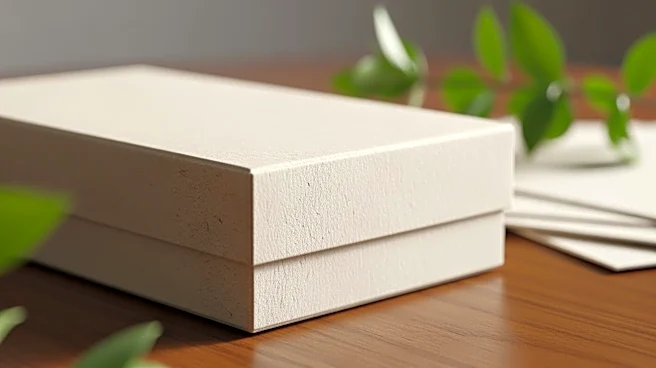
Beauty brands are increasingly adopting uncoated paperboard packaging as a sustainable alternative to traditional plastic packaging. This shift is driven by the growing consumer demand for eco-friendly products and the tactile experience that paperboard offers.
According to Mintel, the use of paperboard in cosmetic packaging has seen significant growth, while traditional plastics and multi-layer boards are declining. This trend reflects a broader movement within the beauty industry towards sustainability and innovation in packaging. The Cosmetics Business Innovation Awards are highlighting these advancements, focusing on redefining ingredients, packaging, sustainability, digital technology, and consumer experience.
Why It's Important?
The transition to paperboard packaging in the beauty industry is significant as it addresses environmental concerns associated with plastic waste. By reducing reliance on plastic, beauty brands are contributing to a decrease in pollution and promoting sustainable practices. This shift not only aligns with consumer preferences for environmentally responsible products but also positions brands as leaders in sustainability. The move towards paperboard packaging could influence other industries to adopt similar practices, potentially leading to widespread environmental benefits. Additionally, the tactile and customizable nature of paperboard enhances consumer engagement, offering brands a competitive edge in the market.
What's Next?
As the trend towards sustainable packaging continues, beauty brands are likely to explore further innovations in eco-friendly materials. The collaboration between companies like Stora Enso, Blue Ocean Closures, and AISA to develop paperboard tubes with fiber-based closures indicates ongoing efforts to enhance functionality and sustainability. The industry may see increased investment in research and development to create packaging solutions that meet both environmental and consumer needs. Stakeholders, including manufacturers and retailers, will need to adapt to these changes, potentially leading to new standards and regulations in packaging.