





What's Happening?
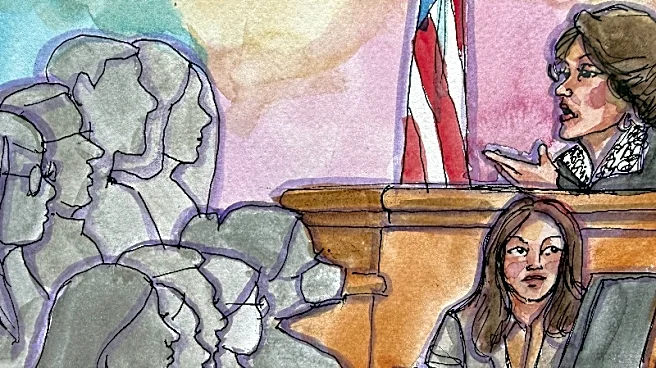
A California jury has dismissed Elon Musk's lawsuit against OpenAI and its CEO, Sam Altman, citing the expiration of the statute of limitations. Musk accused Altman of breaching a nonprofit contract by converting OpenAI into a for-profit entity after
Musk's $38 million donation. The lawsuit claimed that Altman deceived Musk by abandoning OpenAI's original mission to develop AI for public benefit. The jury's decision was based on the timing of the lawsuit, not the merits of the claims, as Musk filed the suit too late for it to be considered.
Why It's Important?
The dismissal of Musk's lawsuit underscores the importance of timely legal action in corporate disputes. This outcome allows OpenAI to continue its operations without the cloud of legal uncertainty, potentially facilitating its growth and market expansion. For Musk, the ruling represents a legal and strategic setback, as it limits his ability to influence OpenAI's direction. The case also highlights the complexities involved in transitioning tech organizations from nonprofit to for-profit models, raising questions about governance and accountability in the tech industry.
What's Next?
Following the dismissal, OpenAI is expected to focus on its business objectives, including a potential IPO. The decision may influence other tech companies considering similar transitions, prompting them to ensure compliance with legal and contractual obligations. Musk's legal team has indicated the possibility of an appeal, which could extend the legal proceedings and impact future interactions between Musk and OpenAI.