





What's Happening?
Max Verstappen, a prominent Formula 1 driver, has expressed that the proposed changes to the 2027 engine regulations could influence his decision to remain in the championship. The current regulations for 2026 involve a near-equal split between internal
combustion engines (ICE) and electrical power. However, there is a proposal to adjust this to a 60:40 ratio favoring combustion engines by 2027. Verstappen, who has been critical of the 2026 regulations, holds a contract with Red Bull until 2028 but has clauses that allow for an early exit. He has indicated that the proposed changes, if ratified, would make Formula 1 more appealing to him, as they align more closely with traditional racing dynamics. Verstappen's comments come as discussions continue among drivers and stakeholders, with many supporting the shift towards more traditional racing formats.
Why It's Important?
The potential changes to Formula 1's engine regulations are significant as they could impact the competitive landscape of the sport. For drivers like Verstappen, who value traditional racing dynamics, these changes could enhance the appeal of staying in the sport. The shift towards a greater emphasis on combustion engines may also influence team strategies and car designs, potentially affecting the performance and competitiveness of various teams. Additionally, these changes could have broader implications for the sport's sustainability goals and its alignment with global trends towards electrification. The decision could also affect fan engagement, as traditional racing formats may attract a different audience demographic.
What's Next?
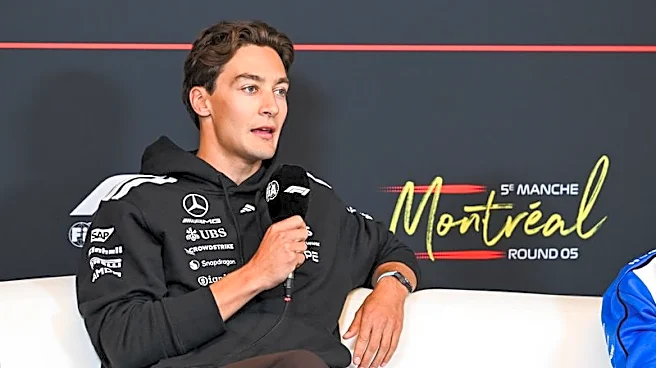
The proposed changes to the engine regulations are still under discussion, with further talks expected to take place during the upcoming Canadian Grand Prix. If the changes are ratified, teams will need to adjust their strategies and car designs to align with the new regulations. This could lead to a period of transition as teams and drivers adapt to the new dynamics. Stakeholders, including team principals and sponsors, will likely weigh in on the potential impacts of these changes on the sport's future. The outcome of these discussions will be crucial in determining the direction of Formula 1 and its appeal to both current and future drivers.