




What's Happening?
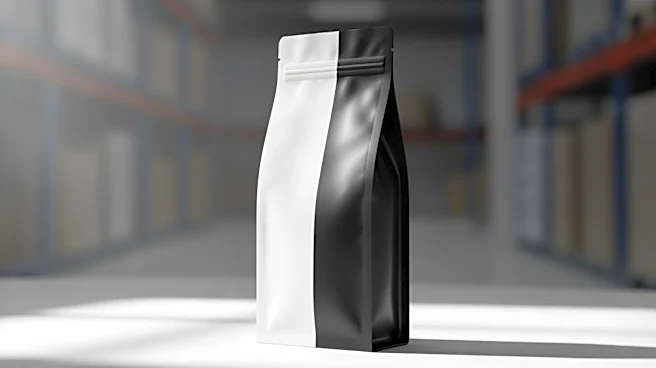
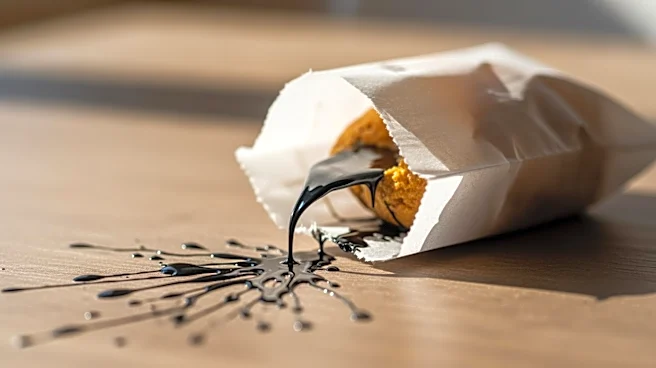
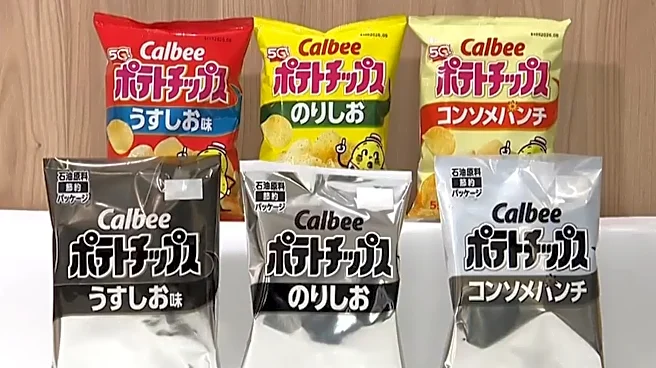
Calbee, a Japanese food company, is temporarily altering the packaging of 14 of its snack and cereal lines due to disruptions in raw material supplies from the Middle East. The company announced that products such as Potato Chips, Kappa Ebisen, and Frugra
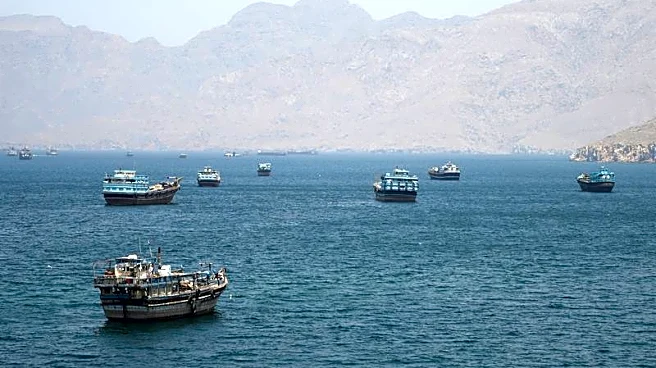
will transition to two-color packaging starting the week of May 25. This decision comes in response to supply instability caused by ongoing tensions in the Middle East, particularly affecting naphtha, an oil-derived product used in plastics and ink. The disruption is linked to the war in Iran, which has impacted supply routes through the Strait of Hormuz. Calbee assures that the quality of its products will remain unaffected by this change. The packaging adjustments will be implemented across selected sizes and channels in Japan, including convenience stores, with Kataage Potato lines expected to switch by June 22.
Why It's Important?
This development highlights the broader impact of geopolitical tensions on global supply chains, extending beyond fuel to affect packaging and production costs. The reliance on oil-derived products like naphtha for packaging materials underscores the vulnerability of food and retail industries to disruptions in the Middle East. For businesses, this situation serves as a reminder of the interconnectedness of global supply chains and the potential for regional conflicts to influence production and distribution costs worldwide. Retailers, particularly those in the UK, are cautioned about the risks of geopolitical disruptions feeding into increased packaging and production expenses, even if their goods are not directly sourced from the affected regions.
What's Next?
Calbee's decision to switch packaging is a temporary measure aimed at maintaining product availability amid supply chain challenges. The company will likely monitor the situation closely and may need to explore alternative supply sources or further packaging adjustments if disruptions persist. Retailers and manufacturers globally may also need to reassess their supply chain strategies to mitigate similar risks in the future. The ongoing conflict in the Middle East could prompt other companies to adopt similar measures, potentially leading to broader changes in packaging practices across industries.