









What's Happening?
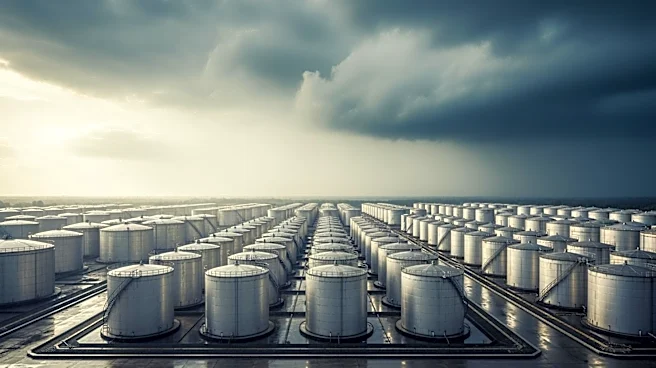
Recent wet weather and a power outage at a major oil sands producer in Western Canada have led to a significant tightening of crude oil supplies to the United States. The disruptions have affected the flow of oil to the Cushing storage hub in Oklahoma
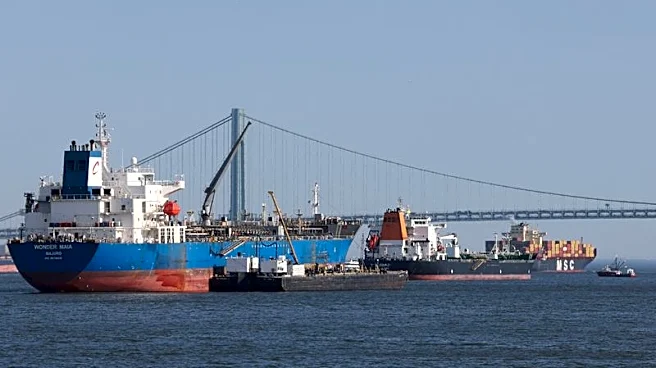
and refineries in the US Midwest. The situation is exacerbated by the ongoing US/Israel conflict with Iran, which has already restricted global oil and gas shipments. Since the conflict began in February, US crude inventories have decreased by 79 million barrels, with Cushing's levels nearing operational lows. Canada, as the largest foreign supplier of crude oil to the US, plays a crucial role in this supply chain. However, heavy rains in Alberta have slowed oil sands mining, and a power outage at Cenovus Energy's operations has further reduced production. This has led to a force majeure declaration, affecting about 10% of the company's output. Meanwhile, Canadian crude is in high demand, particularly from Asian markets, due to its perceived security as a supply source.
Why It's Important?
The tightening of oil supplies from Canada to the US has significant implications for the energy market, particularly in the Midwest, where refineries are heavily reliant on Canadian oil sands crude. The disruptions could lead to increased oil prices and affect the operational efficiency of refineries that lack access to alternative waterborne crude sources. The situation highlights the vulnerability of the US energy supply chain to geopolitical tensions and environmental factors. Additionally, the increased demand for Canadian crude from Asian markets could further strain US supplies, potentially leading to higher energy costs for consumers and businesses. The ongoing conflict in Iran and its impact on global oil shipments underscore the need for diversified energy sources and strategic reserves to mitigate such supply disruptions.
What's Next?
As the situation develops, stakeholders in the US energy sector will likely monitor the resolution of the power outage at Cenovus Energy and the weather conditions in Alberta. Any prolonged disruptions could prompt US refineries to seek alternative crude sources or adjust their operations to manage supply constraints. Additionally, the geopolitical situation in the Middle East remains a critical factor, with potential for further impacts on global oil markets. Policymakers may consider measures to enhance energy security and resilience against such disruptions, including investments in alternative energy sources and infrastructure improvements.