





What's Happening?
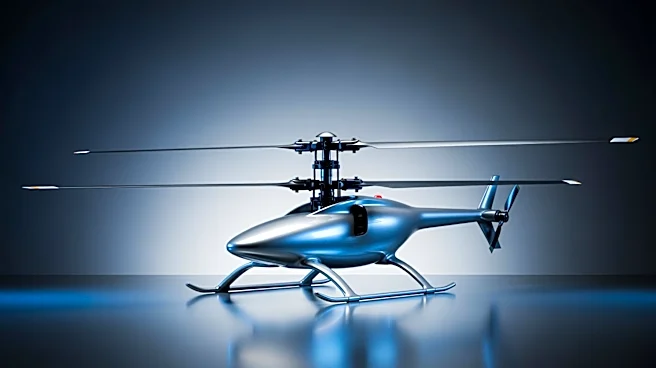
Rotor Technologies, based in Nashua, New Hampshire, is progressing towards scaled production of unmanned R44 aircraft by integrating its autonomy system into Robinson Helicopter's assembly line. This marks a significant shift for the startup, which has
been developing remotely piloted versions of the Robinson R44. The collaboration allows Rotor to embed its RPX flight system directly into the production line, replacing conventional cockpit controls with a fly-by-wire architecture and remote pilot interface. The first factory-built unmanned R44, branded as the R44 Airtruck, is currently being assembled in Torrance, California. Rotor's focus is on missions such as cargo logistics, agriculture, inspection, and firefighting support, which can be conducted without onboard crew, making them more feasible under current regulatory frameworks.
Why It's Important?
The integration of Rotor Technologies' autonomy system into Robinson Helicopter's production line represents a significant advancement in unmanned aircraft technology. This collaboration could lead to increased production rates and broader commercial applications, particularly in sectors like logistics and agriculture. By focusing on non-passenger missions, Rotor is navigating regulatory challenges more effectively, potentially setting a precedent for other companies in the unmanned aircraft industry. The ability to perform missions at a fraction of the cost of traditional crewed aircraft could revolutionize industries reliant on aerial operations, offering more affordable and flexible solutions.
What's Next?
Rotor Technologies plans to ramp up production to dozens of aircraft per year, with the potential to reach hundreds annually as demand develops. The company is pursuing a Section 44807 exemption in the U.S., which would allow broader commercial operations for large unmanned aircraft. As the integration with Robinson Helicopter progresses, Rotor aims to expand its market presence and operational capabilities, focusing on executing and delivering aircraft into real-world operations. The partnership with Robinson Helicopter is expected to enhance Rotor's ability to meet growing customer demand and explore new applications for its unmanned systems.
Beyond the Headlines
Rotor Technologies' approach contrasts with more ambitious autonomy efforts focused on passenger transport, highlighting a strategic focus on lower-risk missions. This could influence regulatory perspectives and industry standards for unmanned aircraft operations. The collaboration with Robinson Helicopter may also drive innovation in the aerospace sector, encouraging other manufacturers to explore similar partnerships. As Rotor continues to refine its technology, the shift towards remote piloting supervision could redefine the role of pilots in unmanned aircraft systems, potentially leading to new training and certification requirements.