






What's Happening?
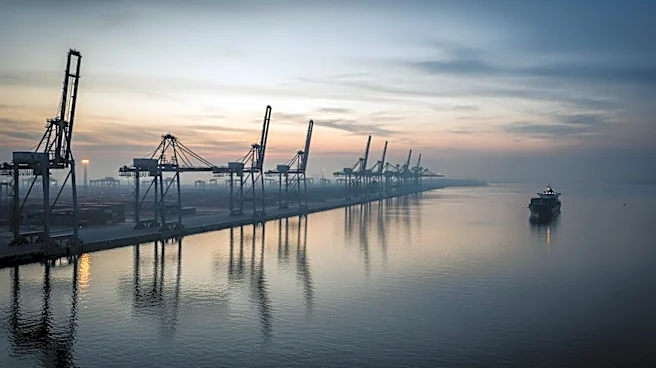
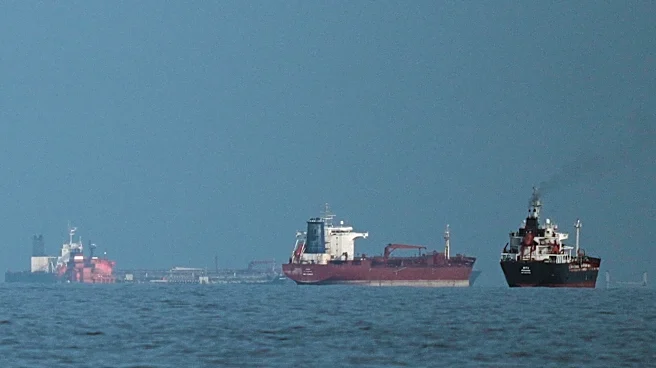
The ongoing conflict in the Middle East is exposing significant vulnerabilities in global pharmaceutical supply chains. The disruption of key shipping routes and air transit hubs has constrained the movement of essential goods, including pharmaceuticals.
This situation is testing the resilience of a deeply interconnected global system that ensures the availability of critical medicines worldwide. The conflict has led to concerns about potential medicine shortages, as the supply chains for pharmaceuticals are uniquely vulnerable due to their stringent regulatory requirements and precise handling conditions. The disruption is particularly impactful on medicines requiring refrigeration, such as biologics and vaccines, which are typically transported via air freight. Additionally, the pharmaceutical industry is indirectly affected by its reliance on active pharmaceutical ingredients (APIs) and other materials sourced from global hubs like China and India, which are dependent on energy supplies flowing through the Strait of Hormuz.
Why It's Important?
The conflict in the Middle East serves as a stress test for the pharmaceutical industry's supply chain resilience. The potential for widespread medicine shortages poses a significant risk to healthcare systems globally, including in the U.S., where the availability of life-saving treatments could be compromised. The situation underscores the need for pharmaceutical companies to rethink their supply chain strategies and build long-term resilience. The current preparedness gap, highlighted by recent research, shows that only a small percentage of pharmaceutical firms are actively conducting risk assessments for geopolitical threats. This lack of preparedness leaves the industry vulnerable to delays, cost shocks, and raw material shortages. The conflict highlights the importance of scenario planning and strategic supply chain design to mitigate future disruptions.
What's Next?
Pharmaceutical companies are urged to adopt more strategic approaches to supply chain design, focusing on segmenting supply chains based on product criticality and ensuring resilience for essential medicines. Measures such as dual sourcing, increased safety stock, and dedicated logistics capacity for priority products are recommended. The development of digital twins of distribution networks can help firms model alternative scenarios and respond more effectively to disruptions. The current situation is a critical moment for industry leaders to act, as building resilience cannot be delayed. Without embedded scenario planning and strategic supply chain design, the risk to the continuity of critical medicines will continue to grow.