






What's Happening?
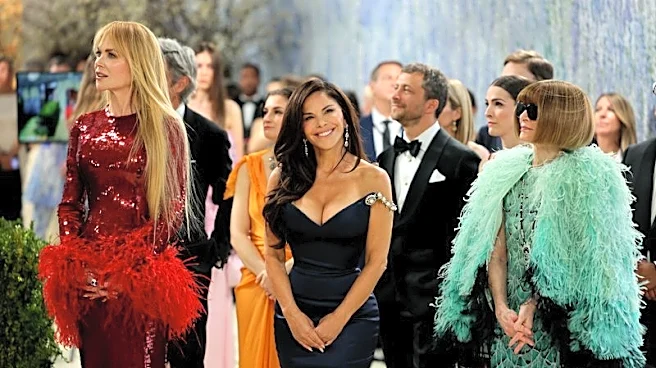
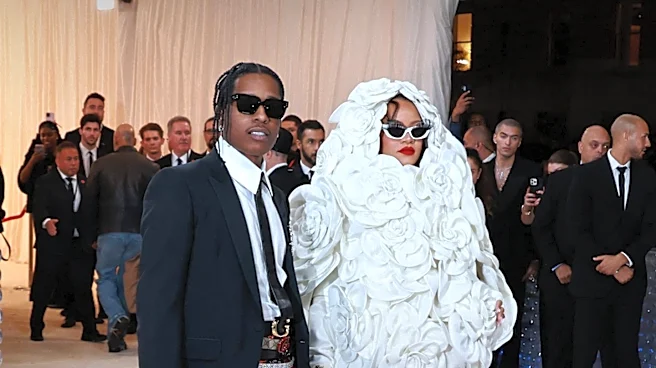
The 2026 Met Gala, held at New York's Metropolitan Museum of Art, faced significant backlash due to its sponsorship by Amazon founder Jeff Bezos. The event, traditionally a charity fundraiser for the museum's Costume Institute, was criticized for its association
with Bezos, who has been accused of poor working conditions at Amazon. Protestors, including the group Everyone Hates Elon, highlighted these issues by leaving bottles of fake urine at the museum, referencing allegations that Amazon workers have been forced to urinate in bottles due to strict work schedules. Despite the controversy, the event proceeded with many celebrities in attendance, although some, like Taraji P. Henson, publicly criticized Bezos' involvement.
Why It's Important?
The controversy surrounding Bezos' sponsorship of the Met Gala underscores ongoing tensions between wealth inequality and corporate responsibility. The event, often criticized for its opulence, drew further scrutiny with Bezos' involvement, highlighting the disparity between the lavish lifestyles of the elite and the working conditions of Amazon employees. This situation reflects broader societal debates about the responsibilities of billionaires and large corporations in addressing economic and social inequalities. The protest actions and public criticisms may influence future corporate sponsorships and the public perception of high-profile events.
What's Next?
The backlash against Bezos' involvement in the Met Gala could lead to increased scrutiny of corporate sponsorships in cultural events. Organizers may face pressure to reconsider their partnerships with controversial figures or companies. Additionally, the protest actions may inspire similar movements targeting other high-profile events or sponsors. The ongoing dialogue about corporate responsibility and wealth inequality is likely to continue, potentially influencing public policy and corporate practices.
Beyond the Headlines
The protest at the Met Gala highlights the cultural and ethical implications of corporate sponsorships in the arts. It raises questions about the role of cultural institutions in addressing social issues and the potential for art and fashion to serve as platforms for activism. The event also reflects a growing trend of public figures and celebrities using their platforms to advocate for social change, which could lead to a shift in how cultural events are perceived and organized.