




What's Happening?
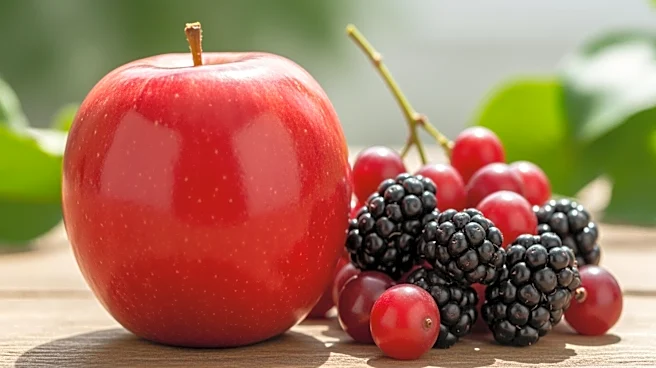
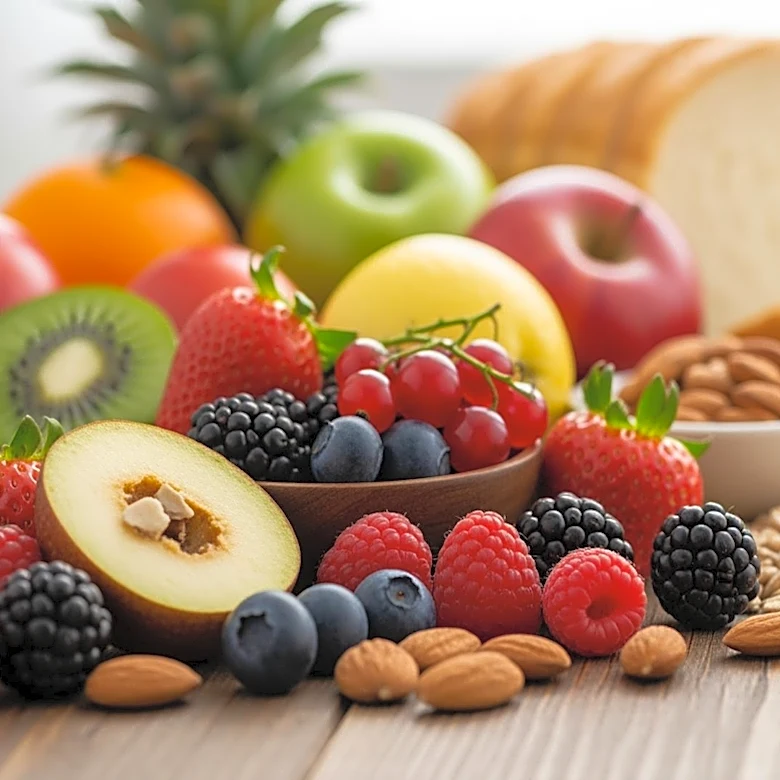
The American fruit industry is experiencing a significant transformation as selective breeding techniques are used to produce sweeter varieties of fruit. This trend is exemplified by the popularity of fruits like the Sumo Citrus, a mandarin-satsuma-orange
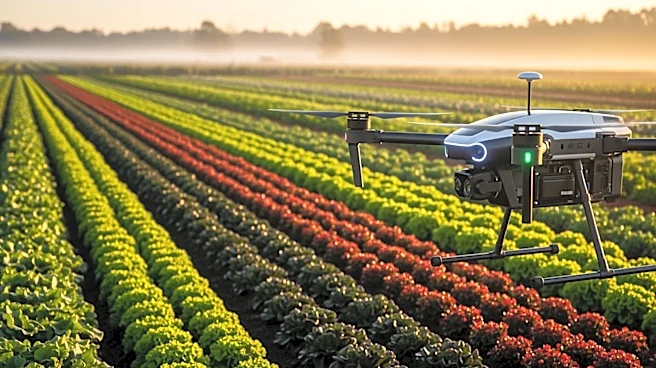
hybrid, which has become a staple in grocery stores due to its high sweetness level measured on the Brix scale. Companies like Driscoll's and Fresh Del Monte are leading this change, with products like Sweetest Batch berries and Honeyglow pineapples, which are marketed for their intense sweetness. This shift is driven by consumer demand for sweeter, more convenient fruit options, as well as advancements in agricultural technology that allow for the cultivation of fruit with higher sugar content.
Why It's Important?
The move towards sweeter fruit has significant implications for the agricultural industry and consumer health. On one hand, it reflects a growing consumer preference for natural sweetness over processed sugars, aligning with modern dietary trends that favor 'healthier' indulgences. On the other hand, it raises questions about the nutritional balance of these fruits, as the focus on sweetness may come at the expense of other flavors and nutrients. This trend also highlights the role of genetic modification and selective breeding in agriculture, which can lead to increased marketability and profitability for fruit producers. However, it may also contribute to a homogenization of fruit flavors and a loss of traditional varieties.