


What's Happening?
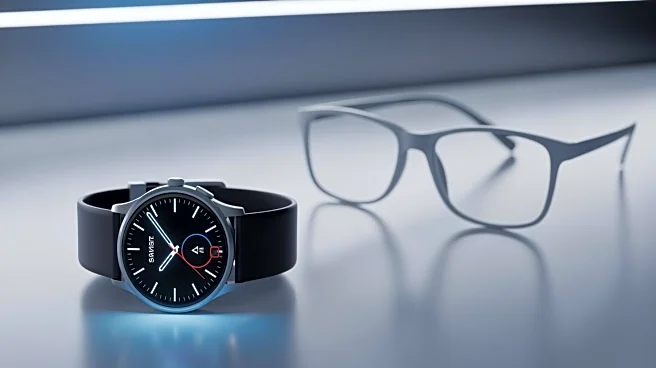
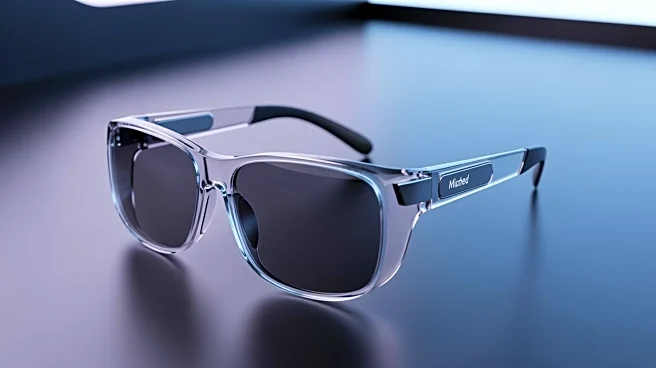
Meta has announced a strategic shift away from its metaverse unit, planning significant cuts by December 2025. This decision marks a pivot towards investing in wearable technology, such as the Ray-Ban display glasses launched earlier in 2025. The move is seen as a response to the growing demand for augmented reality (AR) hardware, with industry forecasts predicting a substantial increase in AR/VR shipments. Meta's reallocation of resources from speculative metaverse projects to tangible AR products suggests a focus on near-term profitability and market presence. This shift is expected to impact pricing, application development, and partnerships within the AR ecosystem.
Why It's Important?
The strategic pivot by Meta underscores a broader industry trend where companies
are prioritizing immediate returns over long-term speculative projects. By focusing on wearables, Meta aims to capitalize on the rising demand for AR technology, potentially accelerating the adoption of AR in consumer markets. This move could influence competitors and partners to expedite their own AR developments, leading to faster innovation cycles and increased competition. For investors, this shift represents a move towards more predictable revenue streams, while developers may face new opportunities and challenges in creating AR applications that align with Meta's updated strategy.
What's Next?
As Meta redirects its focus, developers and partners can expect accelerated timelines for software development kits (SDKs) and stricter approval processes for AR applications. Retail and eyewear partners may gain leverage in negotiations as Meta relies on their distribution networks. The company’s emphasis on hardware-first features suggests that developers should prioritize short development cycles to align with Meta's product release schedules. This strategic change could lead to earlier monetization opportunities for AR apps and potentially make AR technology more mainstream.