

What's Happening?
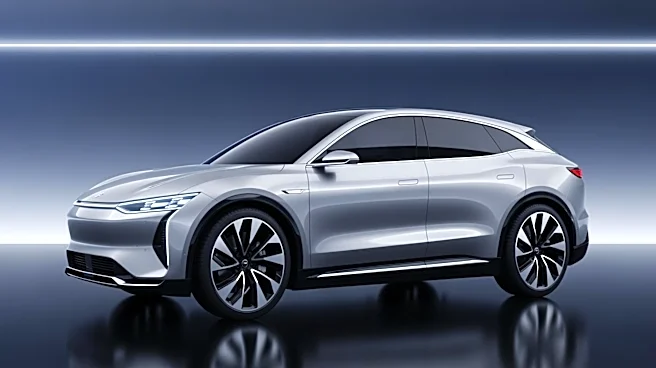
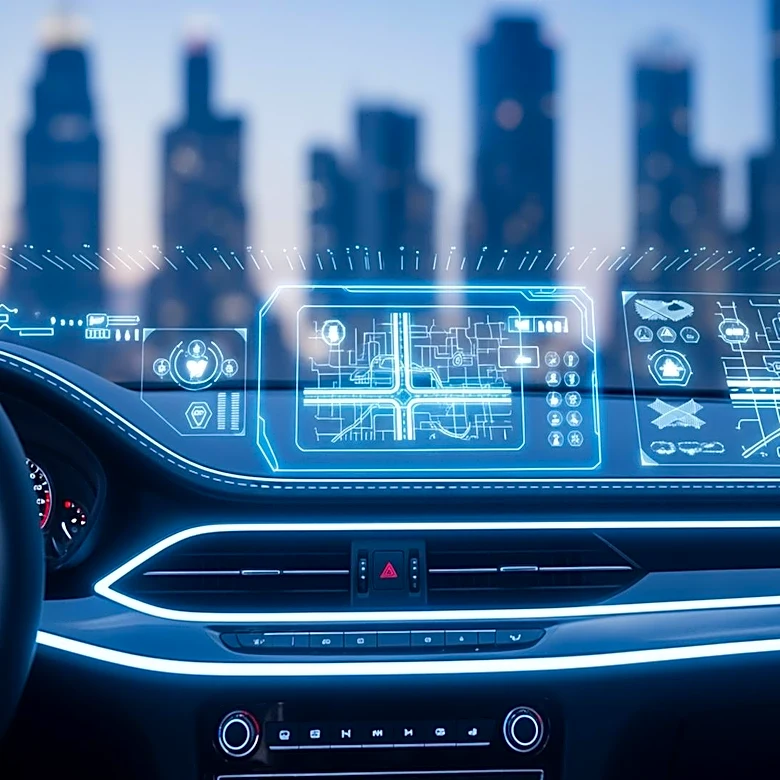
The 2026 Mazda CX-5, a popular compact SUV, is experiencing technical difficulties in its long-term testing phase. The vehicle, equipped with a 187-hp 2.5-liter four-cylinder engine and a new infotainment system, has been reported to have issues with its touchscreen
controls and driver-assistance features. Test drivers have noted frequent glitches in the infotainment system, affecting climate controls, maps, and radio functions. Additionally, the i-Activsense driver-assistance system has shown inconsistency, with adaptive cruise control sometimes failing to operate. Despite a software update and inspection, these issues persist, raising concerns about the vehicle's reliability.
Why It's Important?
The technical challenges faced by the 2026 Mazda CX-5 highlight the growing complexity of modern vehicles and the importance of reliable technology in consumer satisfaction. As automakers increasingly integrate advanced infotainment and driver-assistance systems, ensuring their functionality becomes crucial. Persistent issues can impact brand reputation and customer loyalty, especially in a competitive market segment like compact SUVs. Mazda's ability to address these problems effectively will be critical in maintaining consumer trust and market position. The situation underscores the need for thorough testing and quality assurance in automotive technology development.
What's Next?
Mazda is expected to continue addressing the technical issues with the CX-5 through further software updates and potential hardware adjustments. The company may also enhance its quality control processes to prevent similar issues in future models. Consumer feedback will likely play a significant role in shaping these improvements. As the automotive industry evolves, manufacturers will need to balance technological innovation with reliability to meet consumer expectations. Mazda's response to these challenges could influence its approach to future vehicle designs and technology integration.