
What's Happening?
Lucid Group, an electric vehicle manufacturer known for its Air sedan and Gravity SUV, reported a significant drop in sales for the first quarter of 2026. The company sold 3,093 vehicles, marking a 42% decrease from the previous quarter and a slight decline
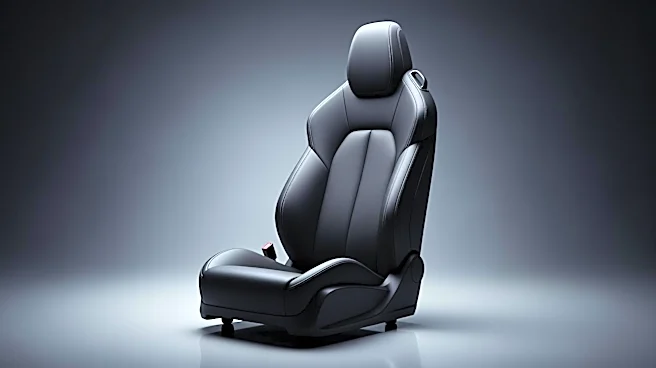
compared to the same period last year. The dip in sales is attributed to a supplier quality issue involving the second-row seats of the Gravity SUV, which led to a 29-day disruption in deliveries. Lucid had to recall over 4,000 Gravity SUVs due to improperly welded seat belt anchors. Despite these challenges, Lucid spokesperson Nick Twork emphasized the company's strong performance in January and March, which nearly achieved year-over-year growth. Lucid remains optimistic about its production goals, reaffirming its guidance to produce between 25,000 and 27,000 vehicles in 2026, representing a potential 47% increase from the previous year.
Why It's Important?
The supplier issue affecting Lucid Group highlights the critical role of supply chain management in the automotive industry, particularly for electric vehicle manufacturers. Disruptions in production and delivery can significantly impact sales and revenue, as seen in Lucid's first-quarter performance. The recall and sales halt underscore the importance of quality control and supplier reliability, which are essential for maintaining consumer trust and achieving production targets. Lucid's situation also reflects broader challenges faced by EV manufacturers as they scale operations and compete in a rapidly evolving market. The company's ability to address these issues and maintain its production goals is crucial for its competitiveness against rivals like Tesla and Rivian, especially as it prepares to launch a new vehicle platform aimed at the mass market.
What's Next?
Lucid Group is set to begin production of its first vehicle on a new lower-cost platform, targeting the mass market with a price point around $50,000. This strategic move positions Lucid to compete directly with other popular EV models such as the Tesla Model Y, Tesla Model 3, and Chevrolet Equinox EV. The company aims to leverage this new platform to expand its market share and drive growth. As Lucid addresses the supplier issue and resumes normal operations, it will be crucial for the company to ensure consistent quality and reliability in its supply chain to avoid future disruptions. The success of the new vehicle platform will depend on Lucid's ability to execute its production plans and meet consumer demand in a competitive landscape.
Beyond the Headlines
Lucid's recent challenges with its seat supplier may prompt the company to reevaluate its supplier relationships and quality assurance processes. This incident could lead to broader industry discussions on the importance of supply chain transparency and collaboration between manufacturers and suppliers. As Lucid ventures into the mass market with its new vehicle platform, it may also face increased scrutiny from consumers and industry analysts regarding its ability to deliver high-quality products at competitive prices. The company's response to these challenges will be closely watched as it seeks to establish itself as a major player in the electric vehicle market.