

What's Happening?
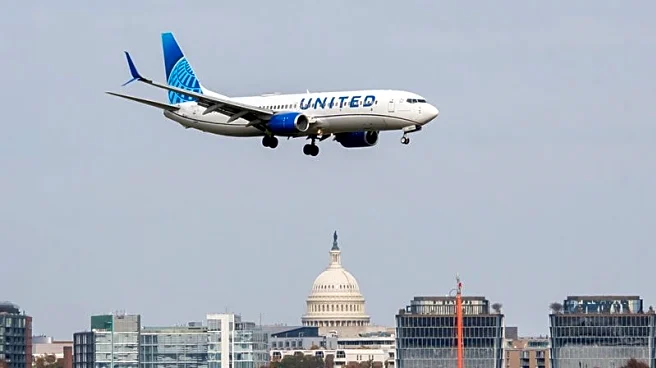
United Airlines CEO Scott Kirby announced a strategic reduction of 5% in scheduled flights due to surging fuel costs linked to the Middle East conflict. The airline will focus on cutting red-eye and low-traffic day flights, with plans to restore the full
schedule by fall 2026. Kirby emphasized the financial strain, noting that maintaining current fuel prices could add $11 billion to annual expenses. Despite these challenges, United Airlines is proceeding with the delivery of 120 new aircraft and expanding infrastructure at Newark Liberty International Airport, while avoiding employee furloughs.
Why It's Important?
This decision by United Airlines highlights the broader economic impact of geopolitical tensions on the aviation sector. Rising fuel costs are a significant concern for airlines, affecting profitability and operational decisions. The reduction in flights could lead to decreased travel options for consumers, particularly on less popular routes. The airline's ability to manage these challenges without resorting to workforce reductions is crucial for maintaining employee morale and operational continuity. This situation also reflects the interconnectedness of global events and their direct impact on domestic industries.
What's Next?
United Airlines aims to restore its full flight schedule by fall 2026, depending on fuel price trends. The airline's continued investment in new aircraft and infrastructure expansion suggests a focus on long-term growth despite current challenges. The Federal Aviation Administration's response to these changes, particularly in terms of air traffic management, will be important. Industry stakeholders will be watching for any shifts in fuel prices and geopolitical developments that could further influence airline operations and consumer travel behavior.