



What's Happening?
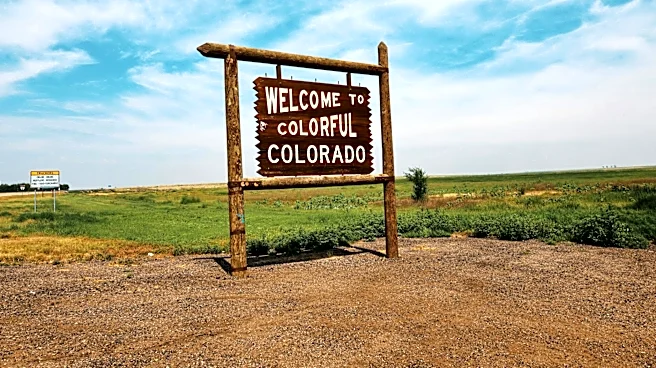
The Sundance Film Festival, a staple of Park City, Utah, for over 40 years, is set to move to Boulder, Colorado, in 2027. This relocation is driven by tax incentives and a desire to make the festival more affordable for artists and film enthusiasts who
have been priced out of attending in Utah. Festival director Eugene Hernandez emphasizes the opportunity to make Sundance more accessible and to inspire the next generation of filmmakers. The move has generated controversy but is seen as a chance to build a more inclusive festival environment. Boulder, known for its appreciation of the arts, offers a supportive community and infrastructure to host the festival.
Why It's Important?
The relocation of the Sundance Film Festival to Boulder represents a significant shift in the landscape of major film festivals. This move could democratize access to the festival, allowing a broader audience to participate and engage with independent cinema. It also highlights the growing trend of cultural events seeking new locations that offer financial and logistical advantages. For Boulder, hosting Sundance could boost local tourism and economic activity, while also enhancing its reputation as a cultural hub. The decision reflects broader industry trends towards inclusivity and accessibility in the arts.
What's Next?
As Sundance prepares for its inaugural event in Boulder, organizers will focus on building the necessary infrastructure and fostering community relationships. The festival will likely continue to engage with local stakeholders to ensure a smooth transition and successful event. The move may also prompt other cultural events to consider similar relocations, seeking environments that offer both economic benefits and community support. Attendees and industry professionals will be watching closely to see how the festival adapts to its new home and whether it can maintain its prestige and influence in the film industry.
Beyond the Headlines
The move to Boulder could have long-term implications for the Sundance Film Festival's identity and mission. By prioritizing accessibility and affordability, the festival may attract a more diverse range of filmmakers and audiences, potentially influencing the types of films showcased. This shift could also encourage other festivals to reevaluate their own practices and consider how they can better serve their communities. Additionally, the relocation underscores the importance of adaptability and innovation in the arts, as cultural institutions navigate changing economic and social landscapes.