



What's Happening?
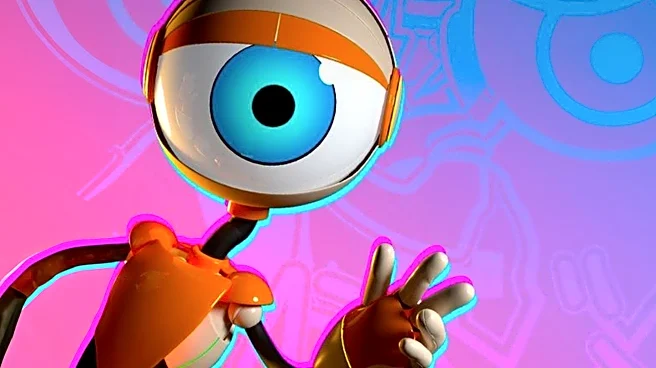
A growing trend in branding sees cartoon characters being used across various products and services, from pizzas to podcasts. This style, known as 'rubber hose', features exaggerated facial expressions and flailing limbs, reminiscent of 1920s and 30s
animation. The trend is popular among independent businesses and has spread to global fashion labels. Designers like Patrick Schmidt have contributed to this aesthetic, which is characterized by playful, human-like depictions of inanimate objects. The style is seen as a reaction against the polished graphics of the tech world, offering a more whimsical and approachable image for brands.
Why It's Important?
The widespread adoption of cartoon characters in branding reflects a shift in consumer preferences towards more playful and relatable imagery. This trend is significant as it challenges the dominance of sleek, corporate aesthetics, offering an alternative that resonates with audiences seeking authenticity and humor. For businesses, this approach can differentiate their products in a crowded market, appealing to consumers' desire for lightheartedness amidst global economic and social challenges. The trend also highlights the evolving nature of design, where nostalgia and simplicity are leveraged to create emotional connections with consumers.
Beyond the Headlines
The use of cartoon characters in branding raises questions about the sustainability of such trends and their impact on brand identity. As more companies adopt this style, there is a risk of oversaturation, which could diminish its effectiveness. Additionally, the reliance on nostalgic imagery may limit innovation in design, as brands focus on familiar motifs rather than exploring new creative directions. The trend also underscores the influence of digital platforms and AI in shaping design practices, as these technologies facilitate the rapid dissemination and replication of popular styles.