







What's Happening?
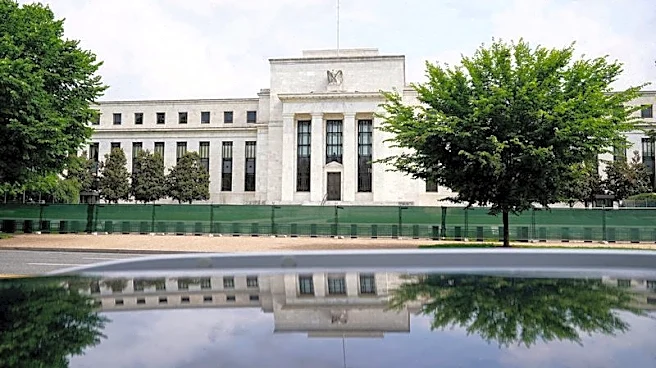
The U.S. Treasury is exploring the possibility of investing its cash in the overnight repurchase (repo) market, as discussed by the Treasury Borrowing Advisory Committee (TBAC). This proposal represents a potential shift in the Treasury's cash management
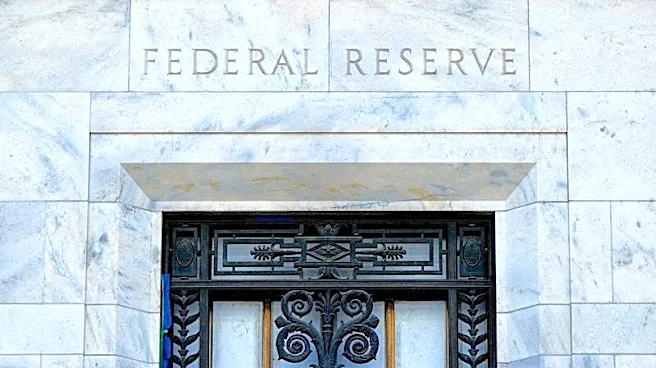
policy, which traditionally involves keeping cash balances at the Federal Reserve. By participating in the repo market, the Treasury aims to generate investment returns while maintaining prudent risk management. This move could also alleviate pressure on repo markets during periods of high demand, such as month-end or quarter-end, by recycling cash back into the banking system.
Why It's Important?
The Treasury's consideration of investing in the repo market is significant for several reasons. It reflects a strategic effort to optimize the management of the Treasury's large and volatile cash balances, which can impact short-term funding markets. By lending in the repo market, the Treasury could enhance liquidity and stability in financial markets, particularly during times of stress. This approach may also provide a modest return on the Treasury's cash holdings, contributing to more efficient government financing. The decision could influence market dynamics and set a precedent for other government entities managing large cash reserves.
What's Next?
If the Treasury decides to proceed with investing in the repo market, it will need to establish guidelines and risk management protocols to ensure the safety and effectiveness of this strategy. The TBAC and other stakeholders will likely continue to evaluate the potential benefits and risks associated with this policy shift. Market participants will be attentive to any announcements or changes in the Treasury's cash management practices, as these could affect liquidity conditions and interest rates in the repo market. The Treasury's actions may also prompt discussions among other central banks and financial institutions regarding similar strategies.