






What's Happening?
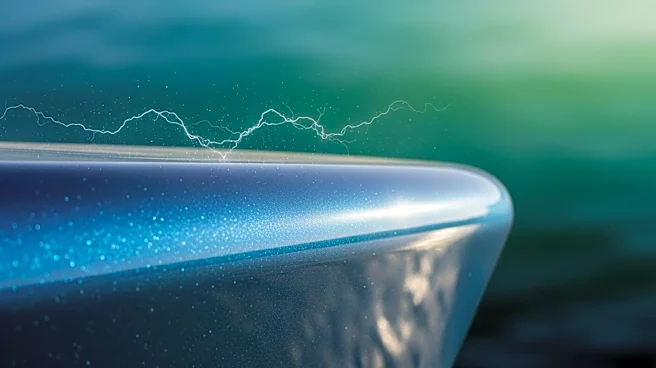
The maritime industry is witnessing a significant shift towards sustainability with the adoption of electrostatic spraying technology for marine coatings. This method, which charges paint particles to adhere more precisely to metal surfaces, is gaining
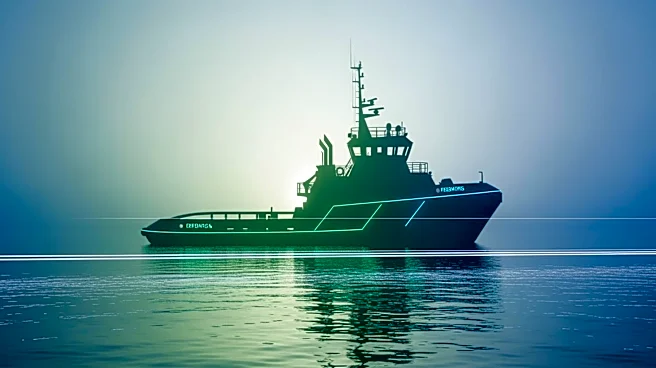
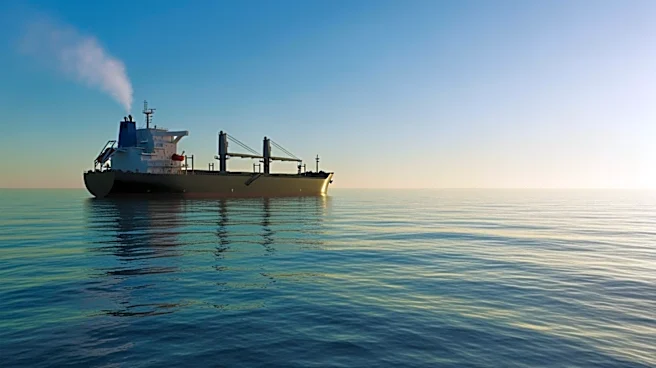
traction due to its efficiency and environmental benefits. Initially used in automotive and aerospace sectors, electrostatic spraying is now being applied in shipyards to meet decarbonization goals. A notable breakthrough occurred when a Dutch shipyard successfully used this technology on a hydrogen-powered sailing vessel, leading to reduced waste and improved sustainability. The technology has since been adopted in various global shipyards, including a significant project in Greece where it was used to coat a crude oil tanker, resulting in substantial power savings and emissions reductions.
Why It's Important?
The adoption of electrostatic spraying in the maritime industry represents a critical step towards reducing environmental impact and improving operational efficiency. By minimizing overspray and material waste, this technology not only enhances the sustainability of shipyards but also offers economic benefits through reduced material costs and faster turnaround times. The successful implementation of this technology in major shipyards, such as those in China and Greece, sets a new standard for sustainable practices in the industry. This shift is crucial as the maritime sector faces increasing pressure to align with global decarbonization efforts and improve the environmental performance of vessels.
What's Next?
As electrostatic spraying technology continues to prove its effectiveness, more shipyards are expected to adopt this method to enhance their sustainability practices. The technology's success in reducing emissions and improving coating efficiency could lead to broader applications across the maritime industry. Stakeholders, including ship owners and environmental regulators, may push for wider adoption to meet stricter environmental standards. Future developments may focus on refining the technology for different environmental conditions and vessel types, further expanding its applicability and benefits.
Beyond the Headlines
The shift towards electrostatic spraying in marine coatings highlights a broader trend of innovation driven by sustainability challenges. This development not only addresses environmental concerns but also improves workforce safety by reducing exposure to harmful overspray. The technology's success could inspire similar innovations in other industries facing sustainability pressures. Additionally, the collaboration between shipyards, engineers, and coatings companies exemplifies the importance of cross-industry partnerships in driving technological advancements.