


What's Happening?
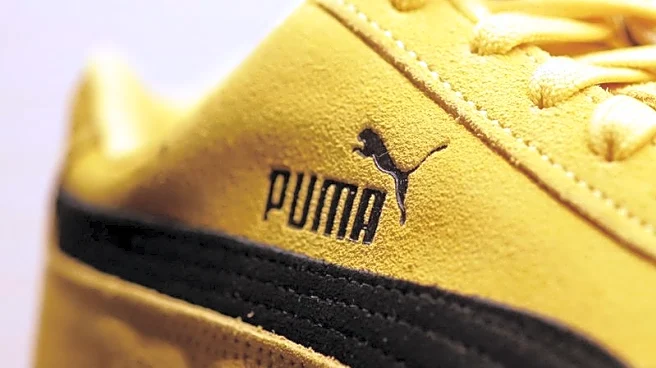
Puma, the sporting goods manufacturer, is undergoing a significant strategic transformation following its highest net loss in corporate history in 2025. The company is focusing on a long-term plan to reclaim its position among the top three sports brands
globally. This strategy involves leveraging its sporting heritage, enhancing its direct-to-consumer business, and expanding its training segment. Puma is also restructuring its operations, including a new ownership structure with Chinese group Anta as a strategic investor. Despite short-term financial challenges, Puma is committed to improving its market position through innovation and strategic partnerships.
Why It's Important?
Puma's strategic shift is crucial for its survival and growth in the competitive sportswear market. By focusing on its core strengths and expanding its direct-to-consumer business, Puma aims to increase profitability and brand appeal. The partnership with Anta could open new opportunities in the Chinese market, although it may also pose challenges due to potential changes in partner relationships. Puma's emphasis on innovation and heritage could attract a broader consumer base, enhancing its market share. The company's ability to navigate these changes will be critical in determining its future success and influence in the global sportswear industry.
What's Next?
Puma plans to continue its transformation by streamlining operations and focusing on key growth areas such as training and direct-to-consumer sales. The company will likely face ongoing financial pressures as it implements these changes, but it expects to see improvements in gross margins and operational efficiency. Puma's management will need to carefully manage its partnerships and market presence to achieve its strategic goals. The success of these initiatives will depend on Puma's ability to adapt to market demands and leverage its brand heritage effectively.