






What's Happening?
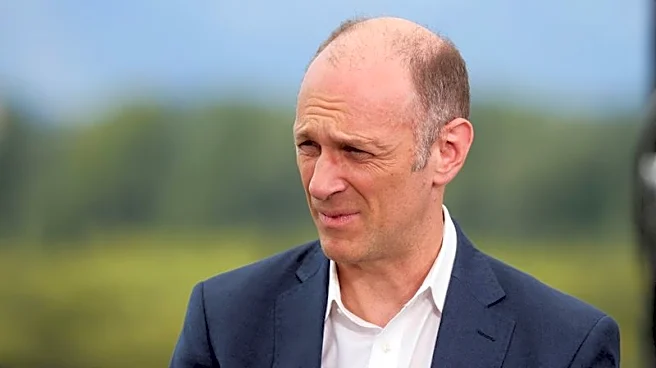
Kevin Warsh is expected to be confirmed as the new Federal Reserve chair, a move that could surprise fixed-income investors. The transition at the Fed is likely to cause volatility in the bond market, as investors reassess monetary policy under new leadership.
Historically, changes in Fed leadership can lead to shifts in treasury yields, duration risk, and credit spreads. The current economic environment, marked by high inflation and geopolitical tensions, adds complexity to the situation. The Federal Reserve recently held interest rates steady, but the market remains sensitive to potential future changes.
Why It's Important?
The appointment of a new Fed chair is significant for the U.S. economy, particularly for the bond market. Warsh's leadership style and policy decisions could influence interest rates, impacting borrowing costs and investment strategies. Fixed-income investors may need to adjust their portfolios in response to potential changes in monetary policy. The broader economic implications include potential effects on inflation, employment, and overall economic growth. The transition also highlights the importance of the Fed's dual mandate of managing inflation and maximizing employment.
What's Next?
Investors will closely monitor Warsh's initial statements and policy directions to gauge the future trajectory of interest rates. The bond market may experience increased volatility as it adjusts to the new leadership. Stakeholders, including financial institutions and policymakers, will need to adapt to potential changes in the Fed's approach to monetary policy. The ongoing geopolitical and economic challenges will also play a role in shaping the Fed's decisions and their impact on the market.