







What's Happening?
The marketing of menopause-related products has intensified, driven by increased conversations about menopause and perimenopause, often amplified by social media. Women experiencing symptoms such as hot flashes, mood changes, and sleep disturbances are
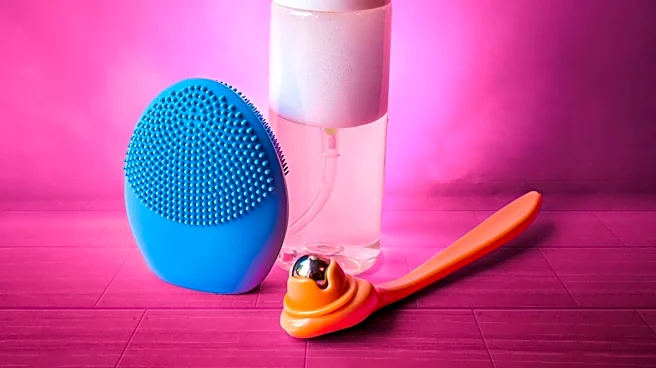
being targeted with a variety of products, including lotions, serums, dietary supplements, and gadgets. Dr. Nanette Santoro, an OB-GYN professor, highlights the aggressive nature of this marketing and advises women to consult with healthcare professionals before investing in these products. Many of these items, while marketed as solutions, may not be effective or could potentially cause harm. Dr. Angela Angel, an OB-GYN, notes that patients often seek medical advice after trying ineffective products. The University of Chicago Medicine's Dr. Monica Christmas emphasizes the importance of medical consultation, as symptoms and suitable treatments can vary widely among women.
Why It's Important?
The surge in menopause product marketing reflects a broader trend of targeting specific demographics with health and wellness products, often without sufficient scientific backing. This can lead to unnecessary spending and potential health risks for consumers. The emphasis on consulting healthcare professionals underscores the need for evidence-based treatments and the risks associated with self-prescribing unverified products. The situation highlights the importance of informed decision-making in healthcare, particularly for women navigating menopause, a significant life stage that can impact quality of life. The potential for misinformation and exploitation in the wellness industry is a concern, as it can lead to ineffective or harmful health practices.
What's Next?
As awareness and discussions around menopause continue to grow, it is likely that the market for related products will expand. Healthcare providers may increasingly focus on educating patients about evidence-based treatments and the limitations of over-the-counter products. There may also be a push for more rigorous testing and regulation of menopause-related products to ensure consumer safety. Additionally, support groups and educational sessions, like those initiated by some hospitals, could become more common, helping women navigate the plethora of available products and make informed choices.
Beyond the Headlines
The aggressive marketing of menopause products raises ethical questions about the exploitation of vulnerable consumer groups. It also reflects broader societal issues regarding the stigmatization of aging and the pressure on women to maintain youthful appearances. The trend may prompt discussions about the need for greater transparency in product marketing and the role of social media in shaping consumer perceptions. Long-term, this could lead to shifts in how health and wellness products are marketed and regulated, particularly those targeting specific life stages or conditions.