






What's Happening?
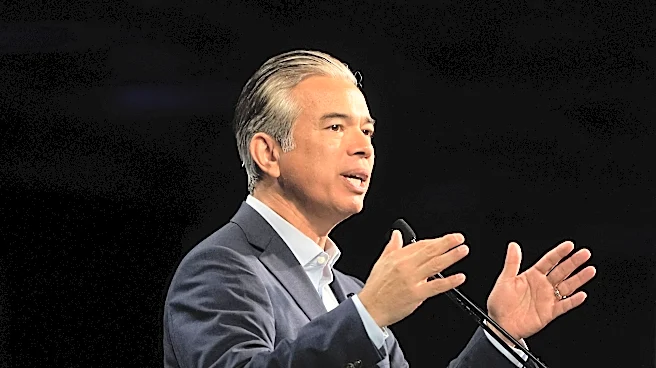
California's attorney general has accused Amazon of colluding with other companies to raise prices on various products, including pet treats and khaki pants. The allegations are based on emails showing Amazon coordinating with vendors like Walmart and Chewy
to increase prices, thereby maintaining its market share while burdening consumers with higher costs. The attorney general, Rob Bonta, claims this practice constitutes price fixing, making essential goods more expensive than necessary. Amazon has denied the allegations, arguing that the claims are an attempt to distract from the case's weaknesses and asserting that it remains committed to offering low prices.
Why It's Important?
The allegations against Amazon highlight significant concerns about anti-competitive practices in the e-commerce sector. If proven, such collusion could undermine consumer trust and lead to higher prices across the market, affecting millions of shoppers. The case also raises questions about the regulatory oversight of major online retailers and their influence over pricing strategies. A ruling against Amazon could prompt stricter regulations and increased scrutiny of similar practices by other companies, potentially reshaping the competitive landscape of online retail. The outcome of this case could have far-reaching implications for consumer protection and market fairness.
What's Next?
The legal proceedings against Amazon are set to continue, with a trial scheduled for January 2027. During this time, Amazon will likely prepare its defense, emphasizing its role in promoting competition and consumer benefits. The case may also prompt other states to investigate similar practices, potentially leading to a broader regulatory crackdown on price-fixing in the retail industry. As the trial approaches, stakeholders, including consumers, competitors, and regulators, will closely monitor developments, which could influence future e-commerce policies and practices.