


What's Happening?
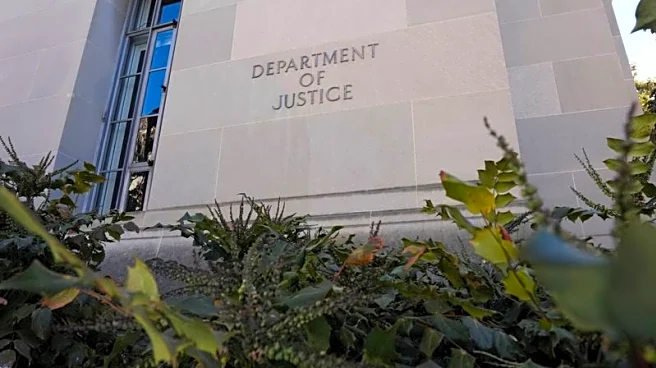
The Trump administration has approved Nexstar Media Group's $6.2 billion acquisition of Tegna, a move that significantly expands Nexstar's reach in the U.S. media market. The Federal Communications Commission (FCC) and the Department of Justice granted
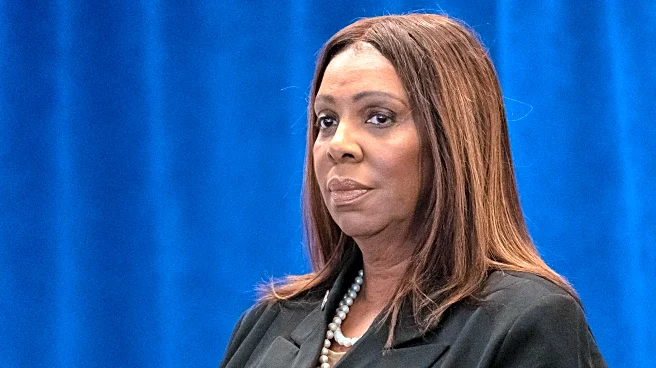
the necessary approvals, despite a lawsuit from eight state attorneys general challenging the merger on antitrust grounds. The merger allows Nexstar to own and operate 265 local TV stations across 44 states, covering approximately 80% of U.S. TV households. This decision follows President Trump's reversal of his initial opposition to the merger, influenced by Nexstar's decision to pull Jimmy Kimmel's show after controversial comments.
Why It's Important?
This merger represents a major shift in the U.S. media landscape, concentrating significant broadcast power in the hands of a single company. The approval has sparked concerns about reduced competition and diversity in local news, potentially leading to a homogenization of content and viewpoints. Critics argue that such consolidation could undermine the role of local journalism as a critical check on power. The decision also highlights the influence of political considerations in regulatory approvals, as seen in President Trump's involvement and the FCC's waiver of ownership limits.
What's Next?
The merger's approval is likely to face continued legal scrutiny as state attorneys general pursue antitrust lawsuits. The outcome of these legal challenges could set important precedents for future media mergers and the enforcement of ownership limits. Additionally, Nexstar's commitments to localism and diversity will be closely watched to assess their impact on the media landscape. The merger may also prompt further discussions about the role of federal agencies in regulating media ownership and ensuring a diverse and competitive media environment.