


What's Happening?
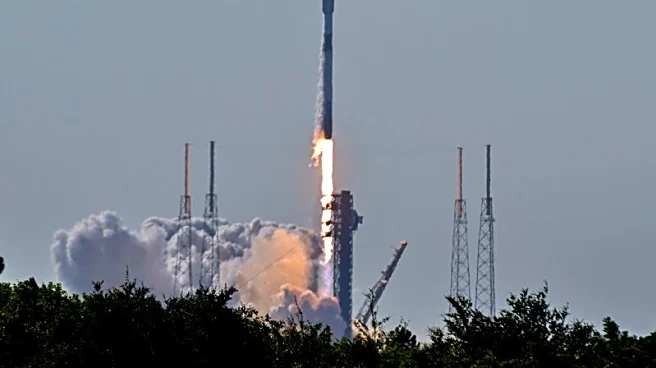
Starlink, a satellite internet service by SpaceX, is increasingly seen as a significant competitor to traditional broadband providers. Initially focused on rural areas, Starlink is now expanding into suburban and urban markets, leveraging its growing
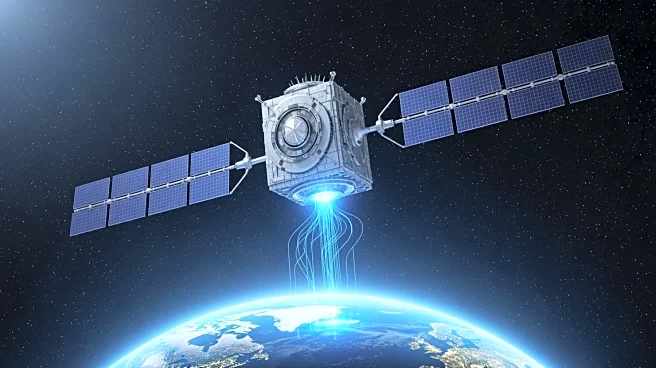
satellite capacity. The company is preparing to deploy larger low-Earth orbit satellites, which will significantly increase its service capacity. This expansion is supported by substantial investments in spectrum acquisition and the development of new satellite technology. Industry experts, like Hans Geerdes from CableLabs, warn that Starlink's aggressive market strategies and technological advancements could disrupt existing broadband services, particularly as it begins to offer competitive pricing and improved service capabilities.
Why It's Important?
The expansion of Starlink into more densely populated areas represents a potential shift in the broadband market landscape. Traditional cable and broadband providers may face increased competition, which could lead to changes in pricing, service offerings, and market strategies. Starlink's ability to rapidly deploy new technology and adapt to market conditions gives it a competitive edge. This could drive innovation and improvements in broadband services, benefiting consumers with more choices and potentially lower prices. However, it also poses challenges for existing providers who must adapt to maintain their market share.
What's Next?
As Starlink continues to expand its satellite network and improve its service offerings, traditional broadband providers may need to accelerate their own technological advancements to remain competitive. This could involve investing in fiber-optic networks or other high-capacity solutions. Regulatory bodies may also need to consider the implications of increased satellite internet coverage on spectrum allocation and market competition. The upcoming AWS-3 spectrum auction could be a critical factor in determining the future landscape of broadband services.