







What's Happening?
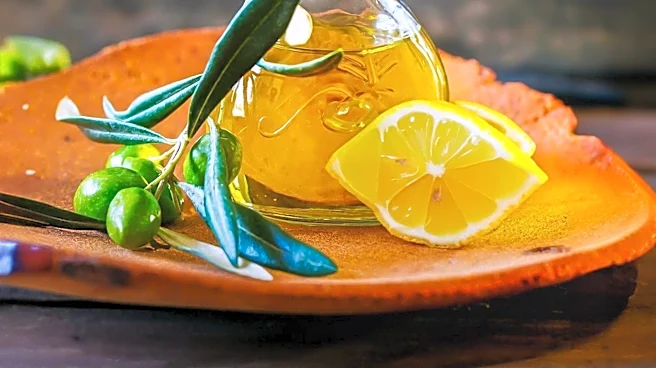
A recent analysis has scrutinized the health claims surrounding the consumption of olive oil and lemon juice shots, a trend popularized by wellness influencers. The combination, typically consumed in the morning, is touted for its supposed benefits in detoxification,
weight loss, and skin health. However, experts argue that while both olive oil and lemon juice individually offer health benefits, such as healthy fats and vitamin C, there is no scientific evidence supporting the notion that their combination yields unique health effects. The claims of detoxification are particularly criticized, as the body's liver and kidneys naturally perform detoxification efficiently. Additionally, while olive oil is linked to reduced heart disease risk and improved blood sugar regulation, and lemon juice offers antioxidant benefits, the purported synergistic effects of the two are largely unsubstantiated.
Why It's Important?
The debunking of these health claims is significant as it highlights the importance of evidence-based health practices over viral wellness trends. Many individuals may be misled into believing that simple dietary additions can replace comprehensive health strategies. This could lead to neglecting more effective health practices, such as balanced nutrition and regular exercise. Furthermore, the trend underscores the broader issue of misinformation in the wellness industry, where anecdotal claims often overshadow scientific evidence. Consumers may spend money on unnecessary products or practices, believing in exaggerated benefits. This analysis serves as a reminder to critically evaluate health claims and rely on scientifically backed information.
What's Next?
As the wellness industry continues to grow, it is likely that new trends will emerge, each with its own set of claims. Health professionals and researchers may need to increase efforts to provide clear, evidence-based guidance to the public. This could involve more public health campaigns and educational resources to help individuals discern credible health information. Additionally, regulatory bodies might consider stricter guidelines for health claims made by influencers and wellness brands to protect consumers from misleading information. The ongoing dialogue between health experts and the public will be crucial in navigating future wellness trends.
Beyond the Headlines
The popularity of olive oil and lemon juice shots reflects a cultural fascination with quick-fix health solutions. This trend highlights a broader societal challenge where convenience is often prioritized over comprehensive health strategies. The allure of simple solutions can overshadow the complexity of health and wellness, which typically requires a multifaceted approach. Moreover, the trend raises ethical questions about the responsibility of influencers in promoting health practices. As influential figures, they have the power to shape public perceptions and behaviors, underscoring the need for accountability in the information they disseminate.