


What's Happening?
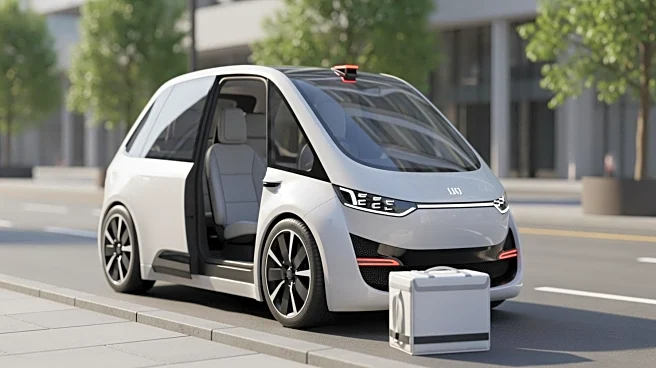
Waymo, the autonomous vehicle division of Alphabet, is addressing a unique challenge with its self-driving cars: doors left open by passengers. In a pilot program in Atlanta, Waymo is enlisting DoorDash drivers to close these doors, offering them a small fee for the task. This initiative is part of a broader partnership between Waymo and DoorDash, which also includes an autonomous delivery service in Phoenix. The issue arises when a passenger leaves a door ajar, rendering the vehicle immobile and potentially blocking traffic. Waymo has confirmed that this is a legitimate problem and is working on future vehicles that will feature automated door closures. In the meantime, gig workers are being used to ensure the vehicles can continue their operations
without interruption.
Why It's Important?
The collaboration between Waymo and DoorDash highlights the ongoing challenges and adaptations required in the deployment of autonomous vehicles. While these vehicles represent significant technological advancements, practical issues such as door closures can impact their efficiency and public perception. The use of gig workers to solve these problems underscores the reliance on human intervention in the current phase of autonomous technology. This situation also reflects the broader implications for the gig economy, as companies like Waymo find innovative ways to integrate human labor into their operations. The success of such initiatives could influence future strategies in the autonomous vehicle industry and the role of gig workers in tech-driven solutions.
What's Next?
Waymo plans to implement automated door closures in its future vehicle models, which would eliminate the need for human intervention in this aspect. Until then, the company will continue to rely on gig workers to address door issues. The ongoing pilot program in Atlanta may expand to other cities if successful, potentially increasing the demand for gig workers in this niche role. Additionally, the partnership with DoorDash could evolve, leading to more integrated services and collaborations in the autonomous delivery sector. Stakeholders in the transportation and gig economy sectors will be closely monitoring these developments to assess their impact on operational efficiency and labor dynamics.