





What's Happening?
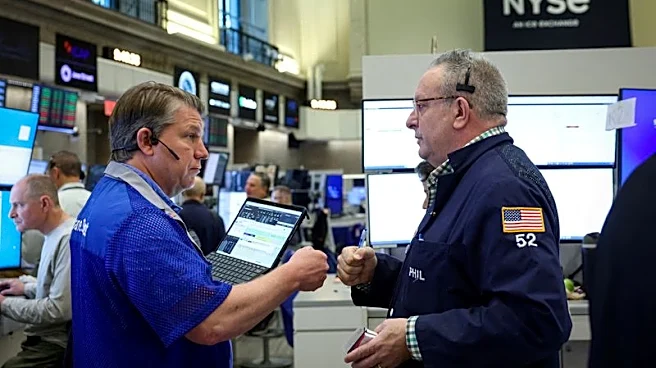
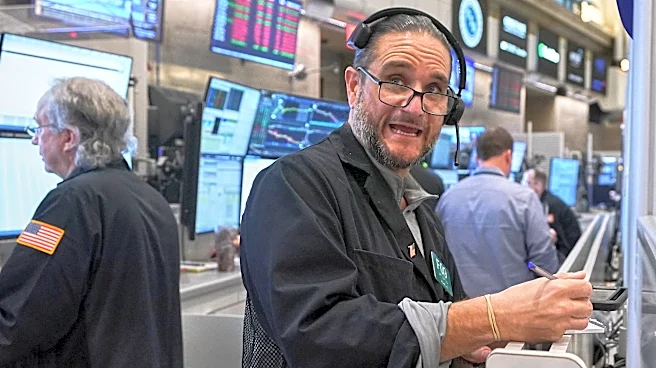
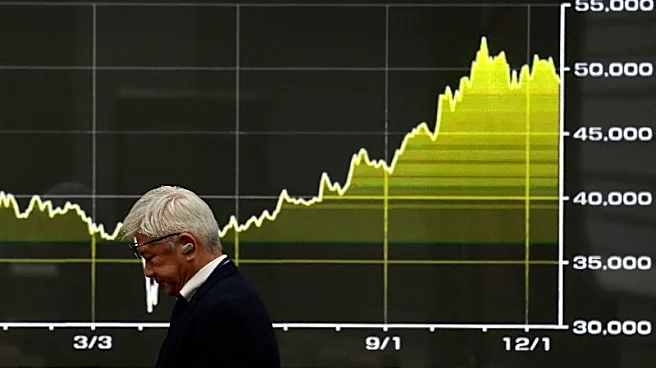
The U.S. stock market, which has experienced significant gains during a robust corporate earnings season, is now facing potential turbulence due to rising inflation and increasing bond yields. The S&P 500 index, although close to its all-time high, is encountering
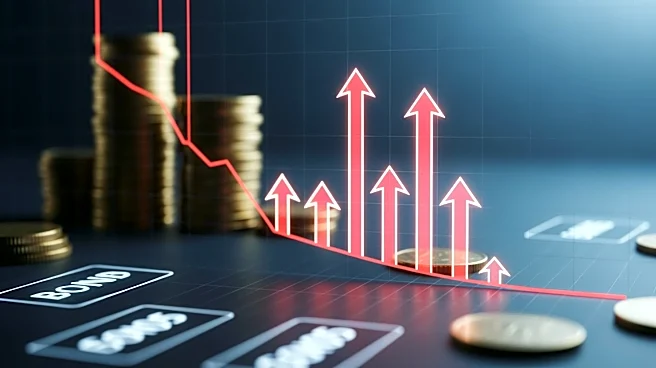
pressure as investors shift focus from earnings to broader economic concerns. The recent surge in bond yields, particularly the 10-year Treasury yield reaching its highest level since January 2025, is causing unease on Wall Street. This increase in yields, driven by inflationary pressures and energy price spikes related to geopolitical tensions, poses challenges for stock valuations and borrowing costs. As the earnings season winds down, with over 90% of S&P 500 companies having reported, attention is turning to upcoming economic data, including the personal consumption expenditures price index, which is expected to provide further insights into inflation trends.
Why It's Important?
The current economic environment presents significant implications for investors and the broader U.S. economy. Rising bond yields can lead to higher borrowing costs for both consumers and businesses, potentially slowing economic growth. Additionally, persistent inflation could prompt the Federal Reserve to consider interest rate hikes, which would further impact market dynamics. The shift in focus from corporate earnings to macroeconomic factors highlights the market's sensitivity to inflation and interest rate expectations. As investors navigate these challenges, sectors such as technology, which have been key drivers of market growth, may face increased scrutiny. The outcome of upcoming economic data releases will be crucial in shaping market sentiment and guiding investment strategies.
What's Next?
Investors are closely monitoring upcoming economic indicators, including the personal consumption expenditures price index and consumer confidence data, to gauge the trajectory of inflation and its impact on monetary policy. The Federal Reserve's stance on interest rates will be a focal point, with futures markets now pricing in the possibility of a rate hike later in 2026. Retail earnings reports from companies like Costco and Best Buy will also provide insights into consumer spending patterns amid rising gas prices. As the market adjusts to these evolving conditions, strategic shifts in investment portfolios may occur, with a potential reevaluation of risk and growth prospects across different sectors.