







What's Happening?
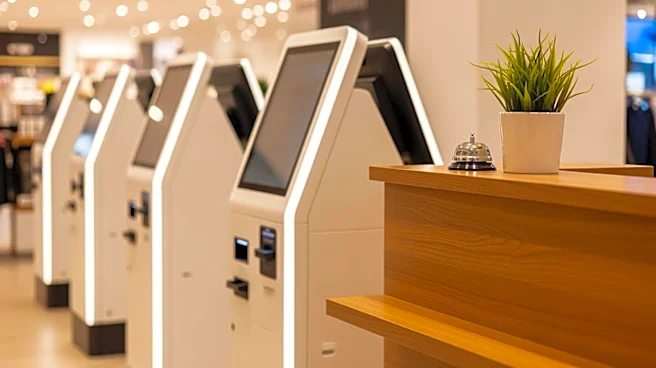
The Santa Ana City Council has unanimously passed the 'Safe Stores are Staffed Stores' ordinance, which imposes strict regulations on the use of automated self-checkout systems in local supermarkets and pharmacies. The ordinance mandates that grocery
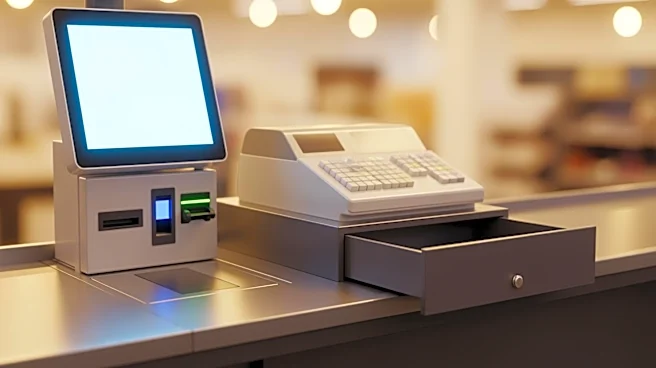
stores over 15,000 square feet and drug retail locations maintain specific employee-to-machine ratios. Specifically, these stores must have at least one worker monitoring every three self-checkout kiosks and keep a traditional manned checkstand open simultaneously. This measure aims to curb retail theft and protect local jobs by ensuring human staffing levels are maintained alongside automated kiosks. Labor organizations, such as the United Food and Commercial Workers (UFCW) Local 324, have supported the ordinance, highlighting the isolation faced by vulnerable customer bases, including senior citizens and shoppers with disabilities, when relying solely on self-checkouts.
Why It's Important?
The ordinance represents a significant step in addressing the balance between technological advancement and job preservation. By enforcing staffing requirements, the Santa Ana City Council aims to protect jobs that might otherwise be lost to automation. This decision could set a precedent for other cities grappling with similar issues, as it underscores the importance of human interaction in retail environments. The ordinance also addresses concerns about the potential for increased retail theft and the need for customer assistance, particularly for those who may struggle with self-checkout technology. However, there are concerns from the retail industry that these regulations could lead to increased operational costs, which may be passed on to consumers in the form of higher prices.
What's Next?
The ordinance is set to go into effect in 30 days. It remains to be seen how major corporate chains will implement these staffing ratios and whether compliance will lead to changes in local grocery prices. Additionally, the extent to which local code enforcement will monitor compliance with the new regulations is unclear. The decision by the Santa Ana City Council may prompt other municipalities to consider similar measures, potentially leading to broader discussions about the role of automation in retail and its impact on employment.