





What's Happening?
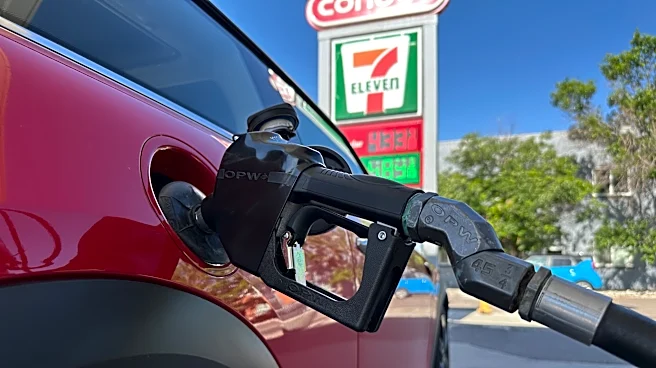
Retailers in the U.S. are witnessing a shift in consumer spending patterns as fuel prices rise, driven by the conflict involving the U.S. and Iran. According to retail analysts and company executives, consumers are altering their purchasing habits, such
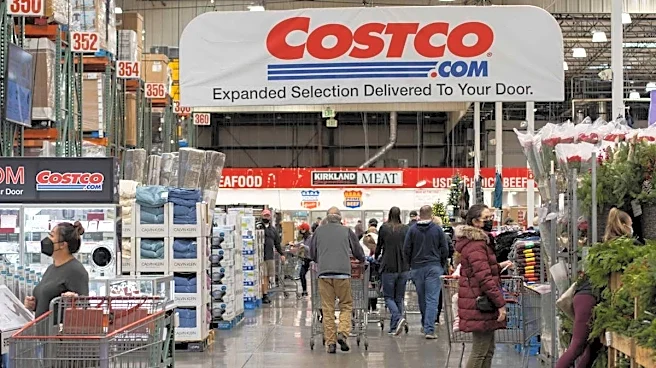
as buying less gasoline per trip and reducing visits to clothing and furniture stores. This change is more pronounced among lower-income customers, who are cutting back on discretionary spending. Retailers like Walmart and Costco have noted increased traffic at their fuel pumps, but customers are purchasing smaller amounts of fuel. The National Association of Convenience Stores reported a decline in both fuel and in-store sales. Despite these challenges, some sectors like toys and beauty products have seen an increase in sales.
Why It's Important?
The shift in consumer behavior highlights the broader economic impact of rising fuel prices on the U.S. economy. As consumers prioritize essential purchases over discretionary spending, retailers may face challenges in maintaining sales growth. This trend could lead to a slowdown in economic activity, particularly in sectors reliant on discretionary spending. The situation underscores the vulnerability of lower-income households to economic shocks, as they are more likely to adjust their spending habits in response to rising costs. Retailers may need to adapt their strategies to cater to changing consumer preferences and focus on value-oriented offerings.
What's Next?
Retailers and analysts anticipate that consumer spending patterns will continue to evolve as fuel prices remain high. Companies may need to adjust their inventory and marketing strategies to align with consumer demand for essential goods. Additionally, the ongoing geopolitical tensions and their impact on fuel prices could lead to further economic uncertainty. Retailers may explore ways to offer more value to consumers, such as discounts or loyalty programs, to retain customer loyalty. Policymakers may also consider measures to alleviate the financial burden on consumers, such as temporary tax relief or subsidies.