





What's Happening?
Procter & Gamble (P&G) has reported a significant increase in its quarterly sales, with net sales reaching $21.2 billion, marking a 7% year-on-year rise. Despite this positive sales performance, the company has issued a warning about potential price increases
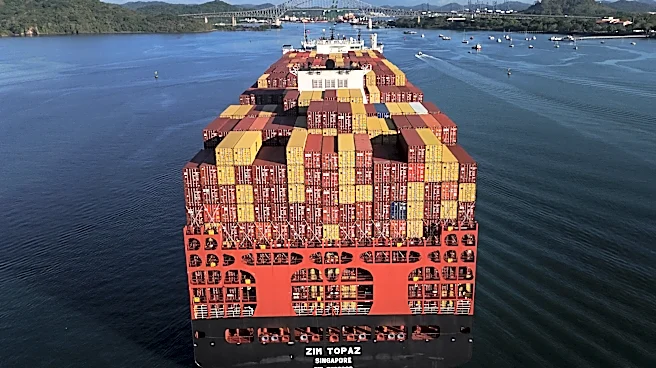
due to rising oil and transportation costs, exacerbated by geopolitical tensions in the Middle East. The company's Chief Financial Officer, Andre Schulten, highlighted the uncertainty in the market, particularly concerning input costs and consumer spending. P&G anticipates a $150 million impact in its fiscal fourth quarter from increased costs, primarily driven by higher fuel prices. The company is considering targeted price increases on premium products to mitigate these costs, rather than implementing blanket price hikes across its entire product range.
Why It's Important?
The potential price increases by P&G could have significant implications for consumers and the broader market. As a major player in the consumer goods sector, P&G's pricing strategies often influence market trends and consumer behavior. Rising costs could lead to higher prices for everyday household products, affecting consumer spending patterns, especially in a period of economic uncertainty. Additionally, the company's decision to focus price increases on premium products may reflect a strategic move to maintain market share and protect profit margins. This development underscores the broader economic challenges posed by geopolitical tensions and fluctuating oil prices, which can impact supply chains and consumer prices globally.
What's Next?
P&G plans to provide further guidance on its fiscal 2027 outlook in July, as the company continues to navigate the uncertain economic landscape. The company's approach to managing rising costs and potential price increases will be closely watched by industry analysts and competitors. Stakeholders will be interested in how P&G balances cost pressures with consumer demand, particularly in its premium product segments. The company's performance and strategic decisions in the coming months could set a precedent for other consumer goods companies facing similar challenges.