



What's Happening?
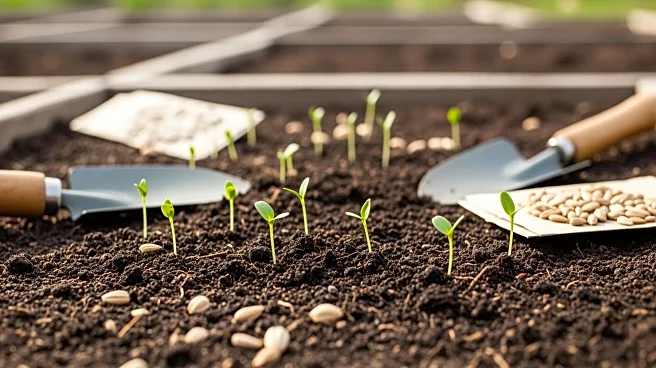
Raised garden beds are becoming increasingly popular among gardeners, especially those with limited space or mobility issues. These beds allow for greater control over soil quality and garden size, making them ideal for beginners. Experts highlight that
raised garden beds can be placed in various outdoor spaces, such as balconies or small patches of grass, and are particularly beneficial for those who face challenges with in-ground gardening due to tree roots or aggressive plants. The beds are available in different materials, including metal, plastic, and wood, each offering unique benefits such as durability and affordability. Additionally, raised garden beds can be easier to manage for individuals with disabilities, as they reduce the need for bending or kneeling.
Why It's Important?
The rise in popularity of raised garden beds reflects a broader trend towards urban gardening and sustainable living. By enabling individuals to grow their own food in limited spaces, these beds contribute to food security and self-sufficiency. They also offer a solution for urban dwellers who wish to engage in gardening but lack traditional garden spaces. Furthermore, raised garden beds can enhance accessibility for people with physical limitations, promoting inclusivity in gardening activities. This trend supports environmental sustainability by encouraging local food production and reducing reliance on store-bought produce.
What's Next?
As interest in urban gardening continues to grow, it is likely that more innovative designs and materials for raised garden beds will emerge. Manufacturers may focus on creating more customizable and modular options to cater to diverse needs and spaces. Additionally, there could be an increase in community gardening initiatives that utilize raised beds to engage local residents in sustainable practices. Educational programs and workshops may also expand to teach individuals how to effectively use raised garden beds, further promoting their adoption.