




What's Happening?
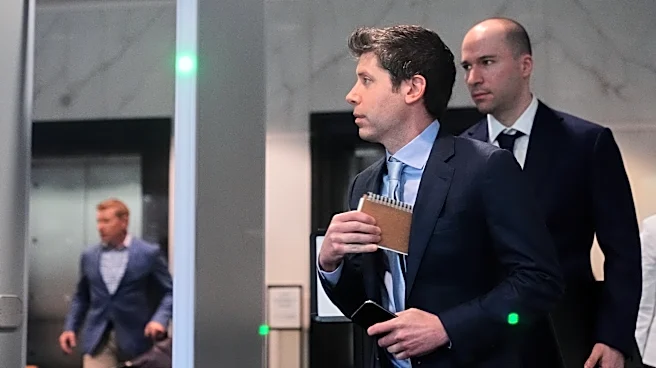
Closing arguments have commenced in the lawsuit filed by Elon Musk against Sam Altman and OpenAI, marking the final phase of a high-profile legal battle in a federal courthouse in Oakland, California. The case, which has captivated Silicon Valley, centers
on Musk's allegations that Altman and OpenAI violated a founding agreement by restructuring the non-profit into a for-profit entity. Musk claims this move unjustly enriched Altman and others, while OpenAI contends that Musk's claims are driven by jealousy following a failed takeover attempt in 2018. The trial has featured testimony from prominent tech figures and has delved into the personal and professional dynamics between Musk and Altman. Musk's attorney, Steven Molo, has questioned Altman's credibility, suggesting that his actions were motivated by personal gain rather than OpenAI's original mission. The jury is now tasked with determining the liability of Altman and OpenAI.
Why It's Important?
The outcome of this lawsuit could have significant implications for the tech industry, particularly in the realm of corporate governance and the structuring of tech companies. A verdict against OpenAI could impact its plans to go public, potentially affecting its valuation and future operations. The case also highlights the tensions between non-profit and for-profit models in the tech sector, raising questions about the ethical responsibilities of tech leaders. Additionally, the trial underscores the competitive nature of the AI industry, with Musk and Altman representing two influential figures vying for dominance in this rapidly evolving field. The decision could influence how tech companies navigate similar disputes in the future, setting a precedent for how founding agreements are interpreted and enforced.
What's Next?
Following the jury's verdict, Judge Yvonne Gonzalez Rogers will determine the appropriate remedies if Altman and OpenAI are found liable. Musk is seeking the removal of Altman and Greg Brockman from OpenAI, as well as the reversal of its for-profit structure. He also demands a redistribution of $134 billion from OpenAI's for-profit entity to its non-profit organization. The decision could lead to significant changes in OpenAI's leadership and operational structure, potentially affecting its strategic direction and market position. The tech community and investors are closely watching the case, as its outcome could influence investment strategies and corporate governance practices in the AI sector.