



What's Happening?
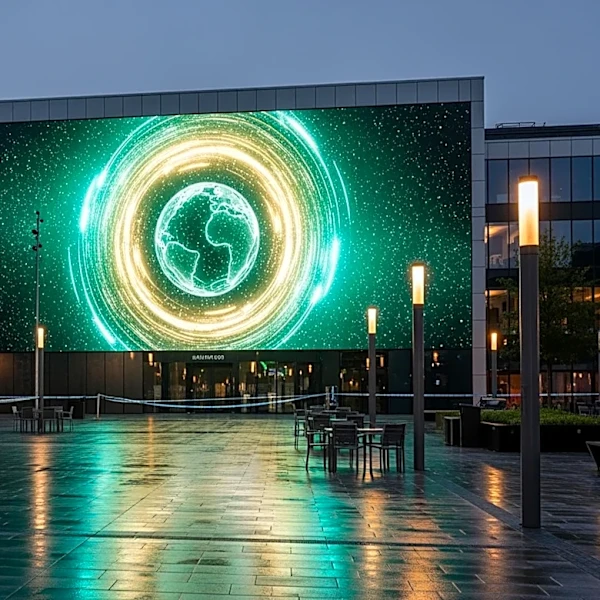
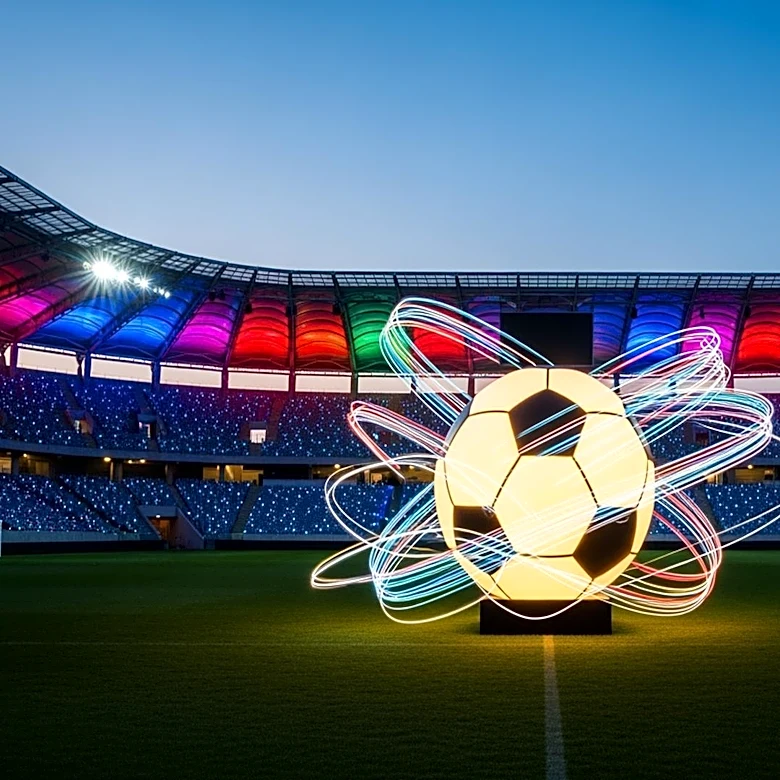
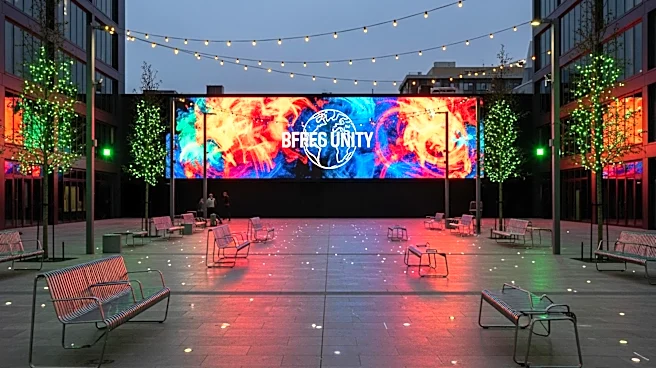
The FIFA World Cup 2026 is set to host a series of fan festivals across 16 cities in Canada, Mexico, and the United States. These festivals, known as FIFA Fan Festivals, aim to bring together football, entertainment, and local culture, providing a unique
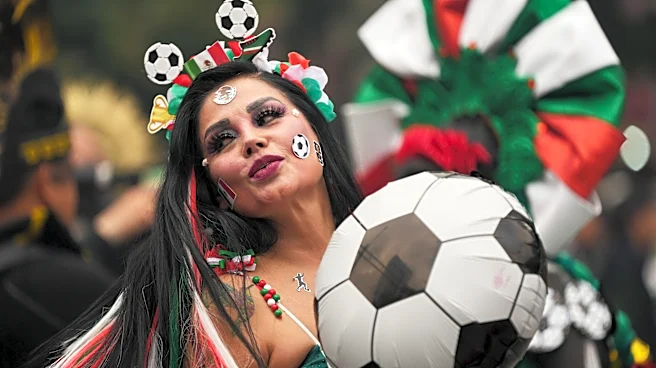
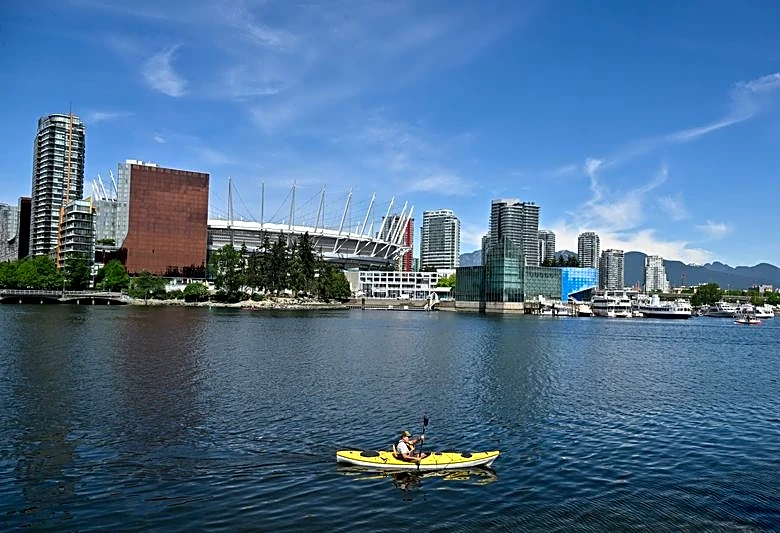
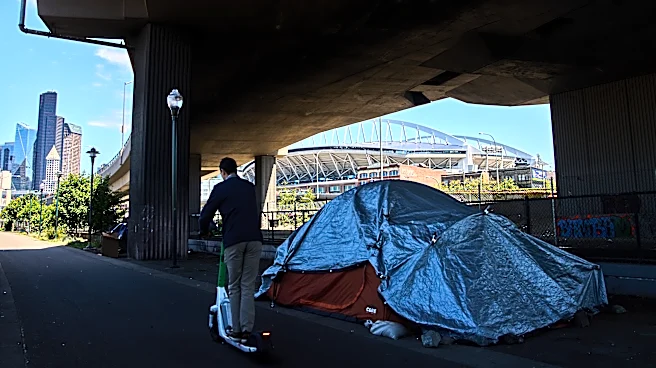
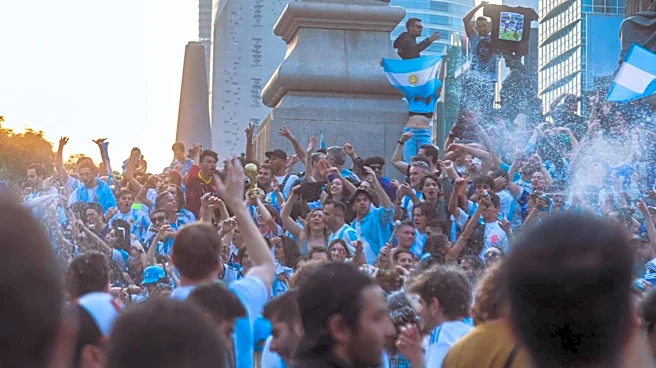
experience for fans beyond the stadiums. According to Heimo Schirgi, the chief operating officer for the 2026 World Cup, these events will showcase the distinctive spirit of each host city through football, music, food, and culture. The festivals will be held in various iconic locations, with some requiring different entry methods. Notable cities hosting these events include New York/New Jersey, Philadelphia, San Francisco/Bay Area, Seattle, and others. The initiative is inspired by the impromptu gatherings during the 2002 World Cup in South Korea and Japan, and aims to deliver the most diverse and vibrant fan experience ever staged.
Why It's Important?
The FIFA Fan Festivals are significant as they enhance the World Cup experience by engaging local communities and international visitors alike. These events are expected to boost local economies by attracting tourists and increasing spending in host cities. They also provide a platform for cultural exchange and community building, as fans from different backgrounds come together to celebrate the sport. The festivals can help promote the host cities on a global stage, potentially increasing future tourism and investment. Additionally, by offering free and accessible events, FIFA aims to make the World Cup experience more inclusive, allowing a broader audience to participate in the festivities.
What's Next?
As the World Cup approaches, host cities will likely begin detailed planning and coordination to ensure the success of the fan festivals. This includes securing venues, organizing logistics, and coordinating with local authorities to manage crowd control and safety. Cities may also start promotional campaigns to attract both local residents and international visitors. Stakeholders such as local businesses, tourism boards, and cultural organizations will likely collaborate to maximize the impact of these events. The success of these festivals could influence future World Cup planning and the integration of similar events in other international sporting competitions.