

What's Happening?
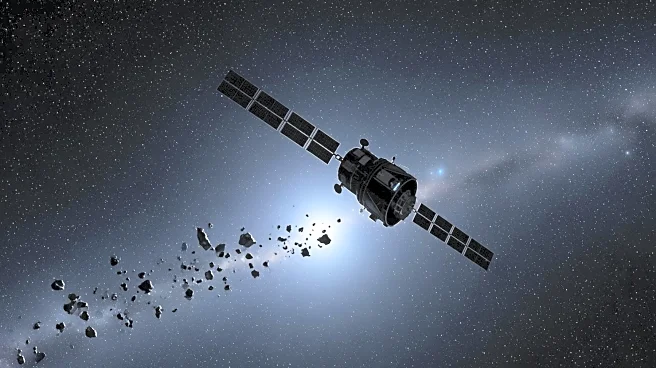
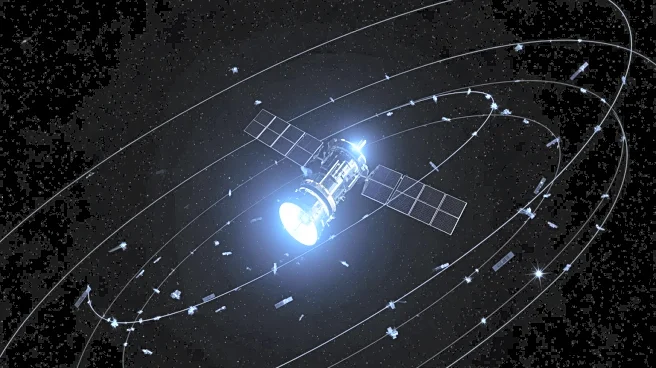
SpaceX has reported the loss of a Starlink satellite following an unexplained anomaly, resulting in the satellite's explosion. The incident was detected by space-tracking company LeoLabs, which observed multiple objects in the vicinity of the satellite,
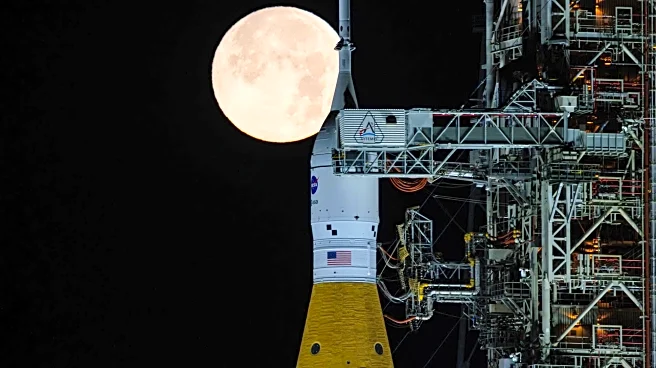
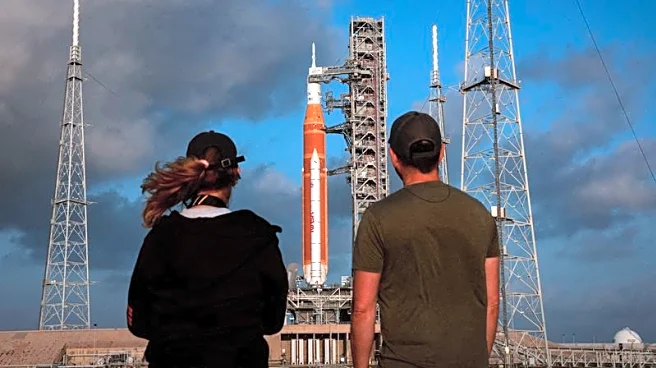
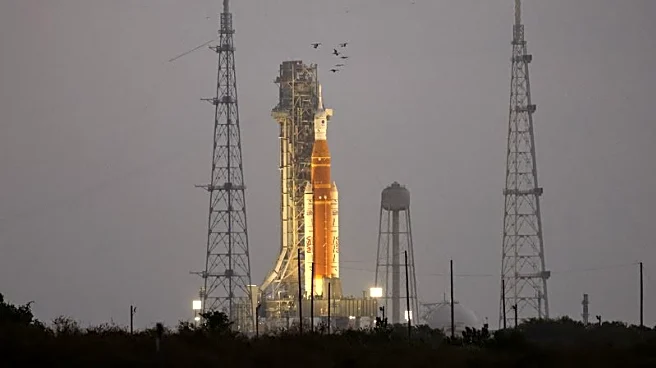
designated Starlink 34343. SpaceX has assured that the event poses no risk to the International Space Station or NASA's upcoming Artemis II mission. The satellite debris is expected to burn up in the atmosphere within weeks. This incident follows a similar event in December, highlighting the challenges of operating in the increasingly crowded low Earth orbit.
Why It's Important?
The explosion of the Starlink satellite underscores the growing concerns about space debris and congestion in low Earth orbit, where thousands of satellites and debris are tracked. Such incidents can pose risks to other satellites and space missions, potentially leading to collisions and further debris. As SpaceX continues to expand its Starlink constellation, addressing these challenges is crucial for the sustainability of space operations. The situation also raises questions about the regulatory framework governing satellite launches and debris management.
What's Next?
SpaceX is investigating the cause of the anomaly and will continue to monitor the situation in coordination with NASA and the US Space Force. The company is also seeking approval from the FCC for a significant expansion of its satellite network, which could further increase congestion in low Earth orbit. This expansion may prompt discussions on international regulations and cooperation to manage space traffic and debris. The outcome of these investigations and regulatory decisions will be critical for the future of satellite operations and space exploration.