
What's Happening?
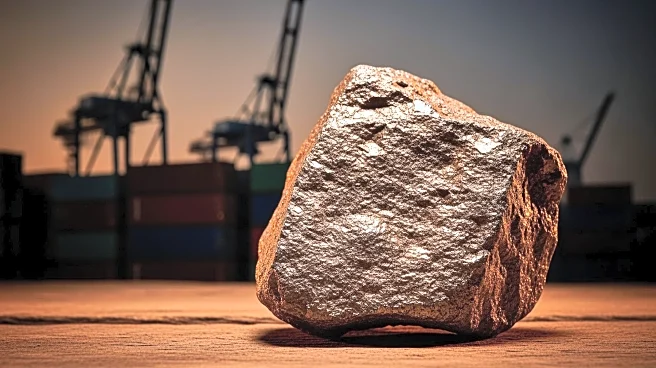
Iron-ore futures have reached a month-high, driven by escalating energy prices and freight costs linked to the ongoing conflict involving the US, Israel, and Iran. The most-traded May iron ore contract on China's Dalian Commodity Exchange increased by 3%,
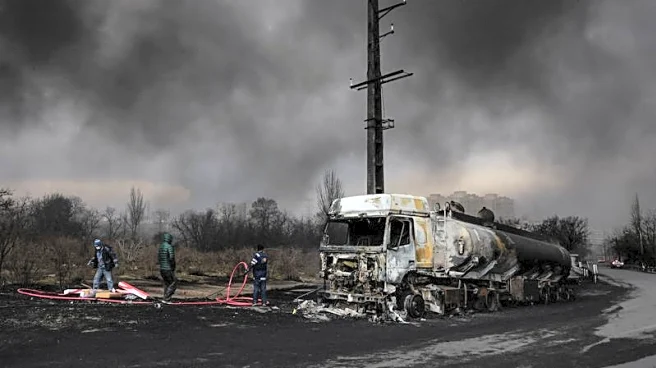
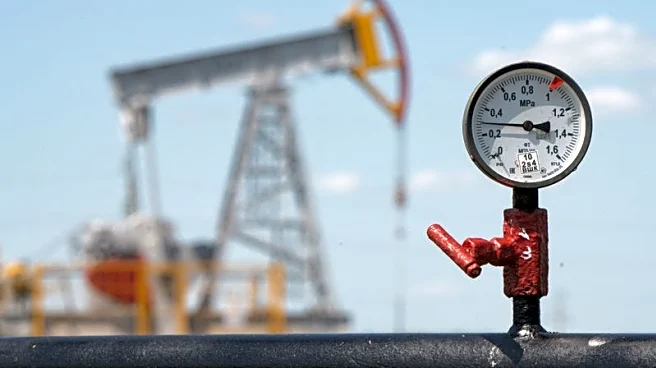
while the benchmark April iron ore on the Singapore Exchange rose by 2.13%. The conflict has led to a 20% surge in oil prices as major Middle Eastern oil producers cut supplies, raising concerns about disruptions in shipping through the Strait of Hormuz. This has resulted in increased costs for bunker fuel, insurance, and war risk premiums. The situation is further complicated by the potential for central banks to raise interest rates to curb inflation, which could impact the outlook for iron ore and steel. Additionally, the Strait of Hormuz is a critical route for China's steel exports to the Gulf, which is its second-largest market.
Why It's Important?
The surge in iron-ore prices highlights the interconnectedness of global markets and the impact of geopolitical tensions on commodity prices. The increase in energy and freight costs could have significant implications for industries reliant on these resources, potentially leading to higher production costs and inflationary pressures. The conflict in the Middle East, particularly the strategic Strait of Hormuz, underscores the vulnerability of global supply chains to regional instability. For the U.S., this situation could affect domestic steel prices and availability, influencing sectors such as construction and manufacturing. Additionally, the potential for central banks to raise interest rates in response to inflation could have broader economic implications, affecting borrowing costs and economic growth.
What's Next?
If the conflict in the Middle East persists, further disruptions in oil supply and shipping routes could exacerbate the current situation, leading to sustained high prices for iron ore and other commodities. Stakeholders, including governments and businesses, may need to explore alternative supply routes or sources to mitigate risks. Central banks will likely monitor inflation trends closely, with potential interest rate adjustments on the horizon. The situation also calls for diplomatic efforts to stabilize the region and ensure the free flow of goods through critical chokepoints like the Strait of Hormuz.