







What's Happening?
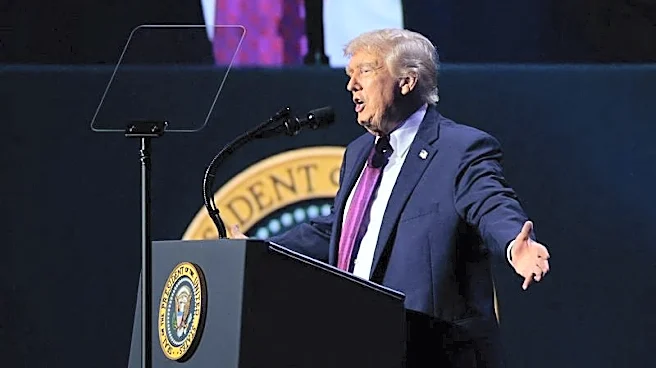
Project Vault, a U.S. government initiative, is set to close its first funding tranche soon, as announced by John Jovanovic, president and chairman of the U.S. Export-Import Bank. Launched in February by President Trump, the project aims to create a critical
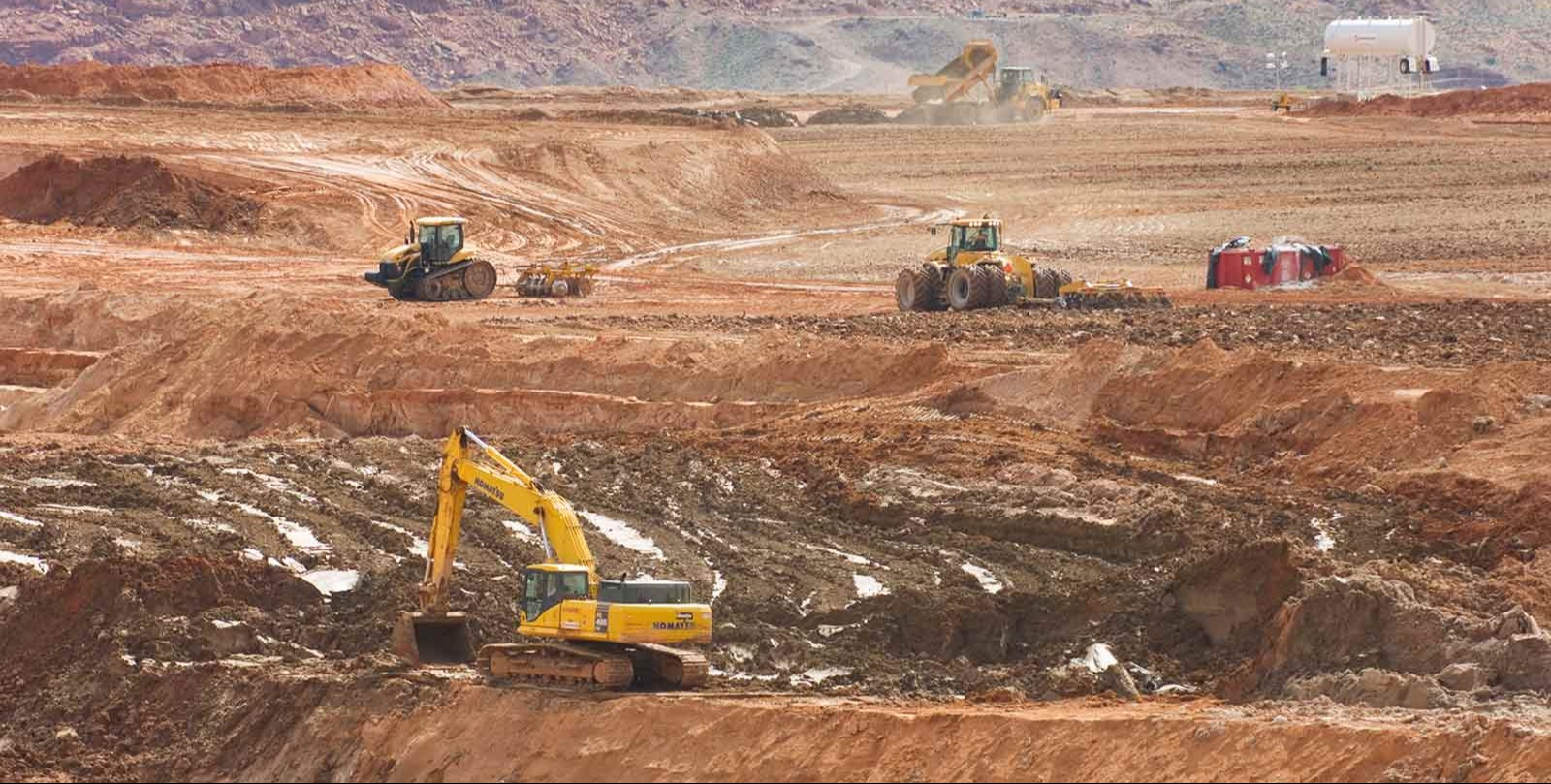
minerals reserve to alleviate supply chain challenges faced by manufacturers heavily reliant on Chinese supplies. The initiative will be managed by an independent entity, separate from the Export-Import Bank, and will focus on both raw and processed materials. The project is designed to address broader market weaknesses, such as a lack of capital and the need for more flexible supply arrangements. It will combine $2 billion in private funding with a $10 billion loan from the Export-Import Bank.
Why It's Important?
The establishment of Project Vault is significant as it addresses the U.S. dependency on Chinese supplies for critical minerals, which are essential for various manufacturing processes. By creating a domestic reserve, the U.S. aims to secure emergency supplies and reduce vulnerabilities in its supply chain. This move could potentially strengthen the U.S. manufacturing sector by providing more stable and reliable access to necessary materials. Additionally, the project could stimulate economic growth by encouraging the development of new storage facilities and processing capabilities within the U.S., thereby creating jobs and fostering innovation in the sector.
What's Next?
As Project Vault progresses, it is expected to attract more participants from the manufacturing sector, with discussions already underway with leading suppliers. The initiative may lead to the development of additional bonded inventory, warehousing, and storage facilities in the U.S. This could further enhance the country's capacity to manage its critical mineral resources effectively. The project's success will depend on its ability to provide long-term commitments and off-take deals, which could encourage more manufacturers to participate and invest in the domestic supply chain infrastructure.