






What's Happening?
Consumer sentiment in the U.S. has reached a new low in May, driven by inflation fears linked to the ongoing conflict with Iran and rising oil prices. The University of Michigan's Surveys of Consumers reported a drop in the consumer sentiment index to 44.8,
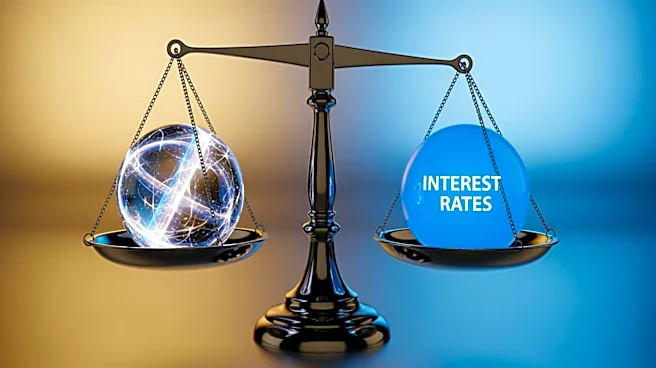
down from 48.2 earlier in the month and 49.8 at the end of April. The conflict has disrupted supply chains, particularly in the Strait of Hormuz, leading to increased gasoline prices. Inflation expectations have risen, with short-term expectations climbing to 4.8% and long-term expectations to 3.9%. The Federal Reserve has indicated a reluctance to lower interest rates amid these inflationary pressures.
Why It's Important?
The decline in consumer sentiment reflects broader economic concerns that could impact consumer spending and economic growth. Rising inflation expectations may lead to increased costs for goods and services, affecting household budgets and potentially slowing economic recovery. The Federal Reserve's stance on interest rates suggests a cautious approach to monetary policy, balancing inflation control with economic stability. The situation underscores the interconnectedness of global events and domestic economic conditions, highlighting the potential for geopolitical conflicts to influence U.S. economic indicators and policy decisions.
What's Next?
As the conflict with Iran continues, its impact on global oil prices and supply chains will likely persist, influencing consumer sentiment and inflation expectations. The Federal Reserve may need to adjust its monetary policy in response to evolving economic conditions, potentially affecting interest rates and financial markets. Policymakers and businesses will need to monitor these developments closely, preparing for potential shifts in consumer behavior and economic trends. The situation may also prompt discussions on energy independence and alternative strategies to mitigate the impact of international conflicts on domestic economies.