


What's Happening?
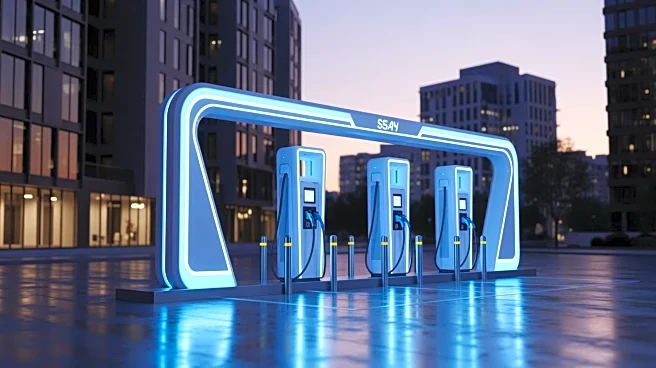
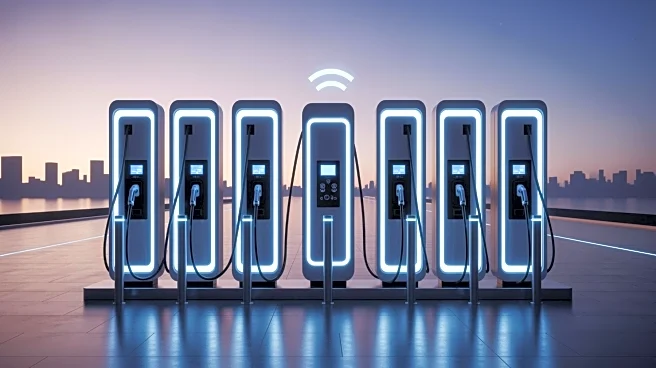
Uber Technologies has announced a $100 million investment to develop charging hubs for its autonomous vehicle operations. This initiative aims to support the expansion of Uber's robotaxi services in the United States and internationally. The company plans to install DC fast chargers at strategic locations, including depot spots and dedicated way stations in key markets such as the Bay Area, Los Angeles, and Dallas. Uber's strategy involves entering 'utilization guarantee agreements' with established charging providers like EVgo to ensure the availability of charging points in high-demand urban areas. This move is part of Uber's broader strategy to integrate autonomous driving technology and expand its partnerships with over 20 autonomous vehicle companies
globally.
Why It's Important?
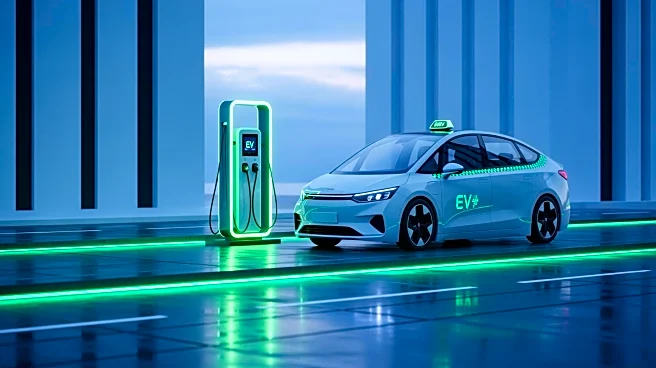
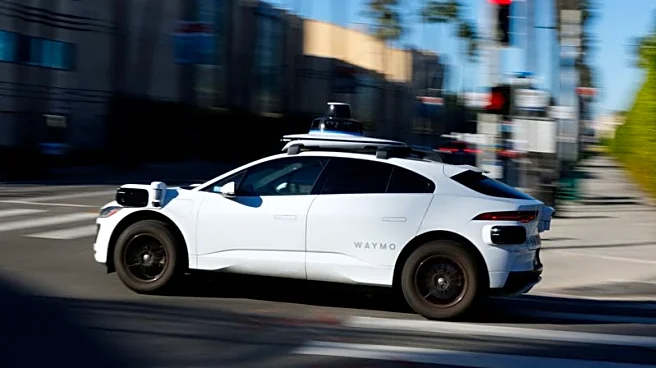
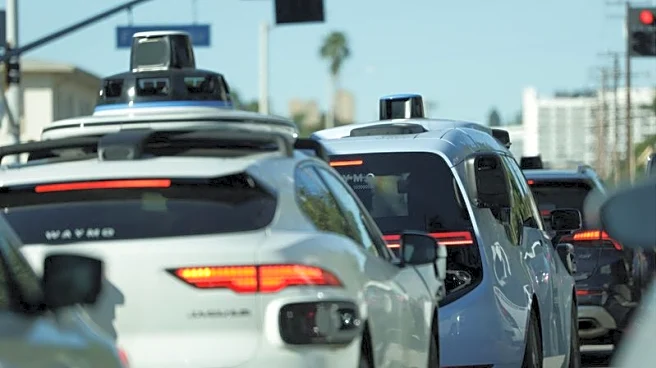
The investment in charging infrastructure is crucial for Uber's long-term strategy to scale its autonomous vehicle operations. By addressing infrastructure bottlenecks, Uber aims to facilitate the deployment of electric robotaxis, which could significantly impact the ride-hailing industry. This development positions Uber to compete more effectively with other companies in the autonomous driving space, such as Tesla and Waymo. The expansion of charging hubs is expected to enhance the efficiency and reliability of Uber's services, potentially leading to increased adoption of electric and autonomous vehicles. This could also drive innovation and investment in the electric vehicle sector, contributing to broader environmental and economic benefits.
What's Next?
Uber's investment in charging infrastructure is likely to accelerate the deployment of its robotaxi services in additional cities. The company may continue to form strategic partnerships with charging providers and autonomous vehicle companies to enhance its service offerings. As the infrastructure develops, Uber could see increased demand for its autonomous services, prompting further investment in technology and expansion efforts. The success of this initiative may influence other ride-hailing companies to invest in similar infrastructure, potentially reshaping the transportation landscape.