






What's Happening?
Inflation in the United States accelerated in May, reaching an annual rate of 4.2%, according to the latest Consumer Price Index (CPI) report. This marks the highest inflation level since April 2023, up from 3.8% in the previous month. The increase is largely
attributed to the ongoing global energy supply disruptions caused by the Iran war, which have significantly pushed prices higher. The CPI measures the average change over time in the prices paid by urban consumers for a market basket of consumer goods and services, and this latest rise indicates a continued upward pressure on costs across various sectors.
Why It's Important?
The rise in inflation has significant implications for the U.S. economy, affecting both consumers and businesses. Higher inflation can erode purchasing power, leading to increased costs for goods and services, which can strain household budgets. For businesses, rising costs may lead to higher prices for consumers, potentially reducing demand. Additionally, persistent inflation could influence monetary policy decisions by the Federal Reserve, potentially leading to interest rate adjustments to curb inflationary pressures. The situation underscores the interconnectedness of global events and domestic economic conditions, highlighting the challenges in managing economic stability amid international conflicts.
What's Next?
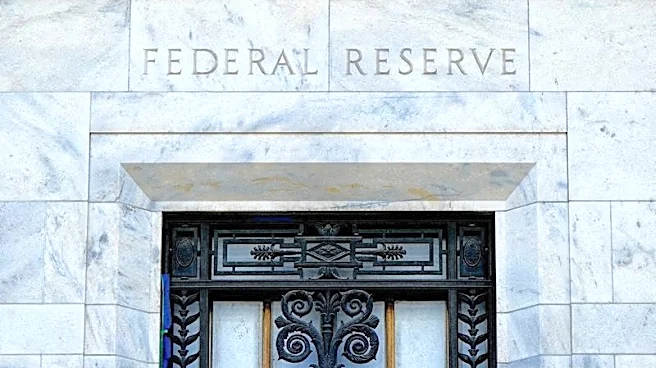
As inflation continues to rise, the Federal Reserve may face pressure to adjust interest rates to manage economic stability. Policymakers will likely monitor inflation trends closely, considering both domestic and international factors influencing price levels. Businesses and consumers may need to adapt to the changing economic environment, potentially adjusting spending and investment strategies. The ongoing global energy supply issues will remain a critical factor in determining future inflation trends, and any resolution or escalation in the Iran conflict could significantly impact economic conditions.