






What's Happening?
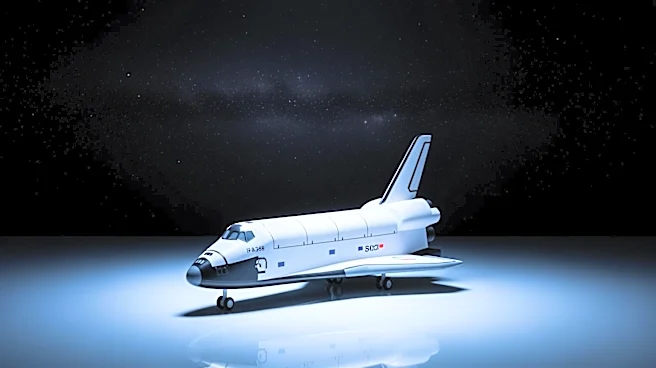
The 1986 film 'SpaceCamp' is being reassessed on its 40th anniversary. The movie, which was released shortly after the Challenger disaster, depicted a group of children accidentally launched into space during a Space Shuttle mission. Despite its poor
timing and box office failure, the film has maintained a cult following, particularly among space enthusiasts. The movie was shot using real NASA locations and aimed to inspire interest in space exploration among young audiences. It featured a mix of established actors and young talents, including Joaquin Phoenix. The film's release was controversial due to its proximity to the Challenger tragedy, which significantly impacted its reception.
Why It's Important?
The film 'SpaceCamp' serves as a cultural artifact reflecting the optimism and challenges of the Space Shuttle era. It highlights the public's fascination with space travel and the potential for civilian involvement in space missions. Despite its initial failure, the movie has contributed to sustained interest in space exploration, particularly among those who attended Space Camp in Huntsville, Alabama. The film's legacy underscores the importance of media in shaping public perception and interest in scientific endeavors. It also illustrates the impact of timing and context on the success of cultural products.
What's Next?
As the 40th anniversary of 'SpaceCamp' approaches, there may be renewed interest in the film and its themes. Discussions around the movie could lead to a re-evaluation of its impact on space culture and education. Additionally, the anniversary could spark conversations about the future of space exploration and the role of media in inspiring the next generation of astronauts and scientists. The film's portrayal of space travel might also be compared to current advancements in space technology and exploration.
Beyond the Headlines
The film's narrative, involving children in space, raises questions about the ethical and safety considerations of space travel. It also reflects the era's technological optimism and the belief in the potential for human expansion into space. The movie's depiction of a fictional space station and advanced robotics anticipates future developments in space infrastructure and artificial intelligence. These elements highlight the intersection of science fiction and real-world technological aspirations.