

What's Happening?
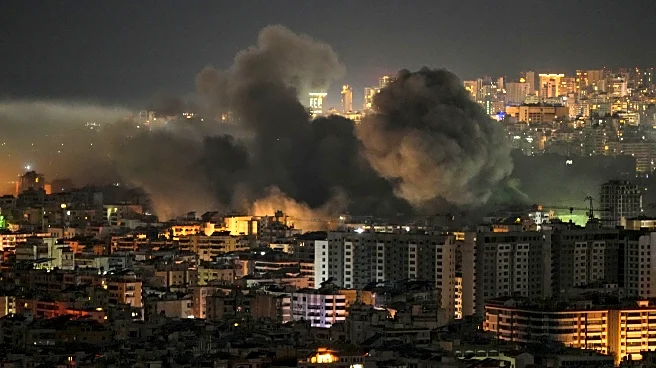
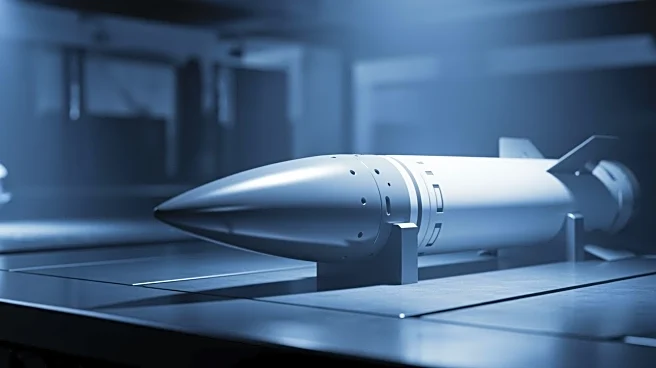
President Trump announced that major defense companies have agreed to significantly increase missile production in response to the ongoing military operations involving the U.S. and Iran. This decision comes amid concerns about the depletion of U.S. munitions
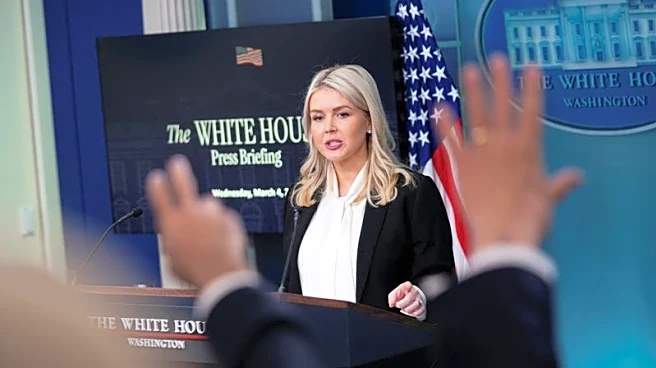
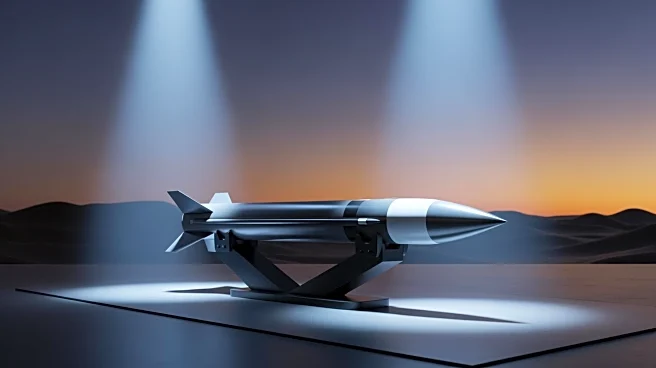
stockpiles due to recent military engagements. The White House recently convened a meeting with top defense contractors, including BAE Systems, Boeing, Honeywell Aerospace, L3Harris, Lockheed Martin, Northrop Grumman, and RTX, to address production challenges. The companies have committed to quadrupling the production of 'Exquisite Class' weaponry, although specific quantities and timelines were not disclosed. The expansion of production reportedly began three months prior to the meeting, with ongoing efforts to ensure a steady supply of medium and upper medium-grade munitions.
Why It's Important?
The decision to increase missile production is crucial for maintaining U.S. military readiness and supporting ongoing operations in the Middle East. The commitment from defense contractors to boost production addresses concerns about the sustainability of U.S. munitions supplies amid heightened military activity. This move is expected to bolster the U.S.'s ability to support its allies and maintain strategic advantages in the region. The increased production also highlights the significant role of defense contractors in national security and the economy, as they are tasked with meeting the demands of military operations. The acceleration of production could have economic implications, potentially leading to job creation and increased activity in the defense sector.
What's Next?
The next steps involve the implementation of the production increase by the defense contractors, with a focus on meeting the urgent demands of the U.S. military. The White House and the War Department are likely to continue monitoring the progress and ensuring that the production targets are met. Additionally, there may be further discussions and agreements with defense companies to address any emerging challenges or requirements. The situation in the Middle East remains fluid, and the U.S. may need to adjust its military and production strategies based on developments in the region.