





What's Happening?
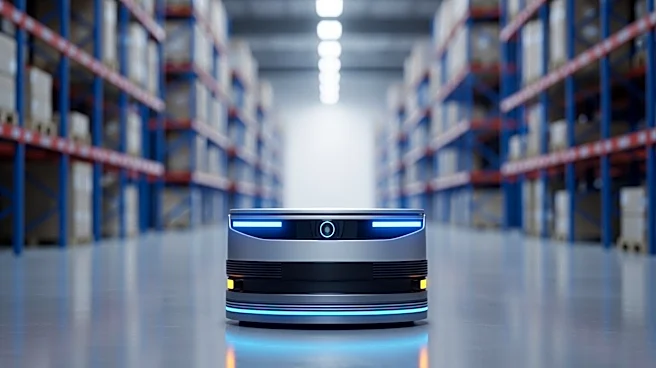
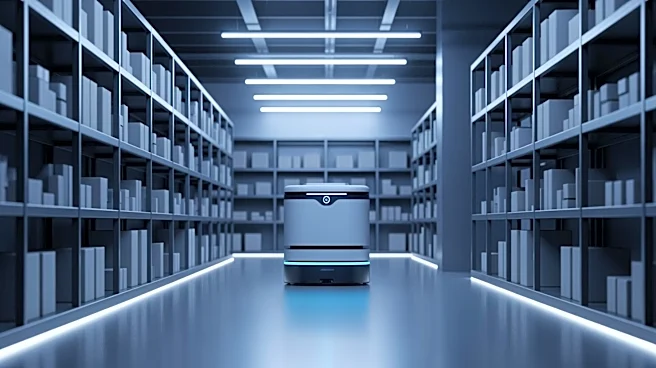
Autonomous mobile robots (AMRs) are increasingly being integrated into mainstream warehouse operations, moving beyond early experimentation. These robots are now supporting tasks such as picking, transport, and replenishment across various environments.
A recent roundtable webinar discussed the maturation of the AMR market, highlighting accelerated adoption and advancements in robot capabilities, navigation intelligence, and fleet orchestration. Industry experts provided insights into the value AMRs are delivering, the challenges faced as fleets expand, and expectations for the next phase of AMR evolution.
Why It's Important?
The integration of AMRs in warehouses represents a significant shift in logistics and supply chain management. By automating routine tasks, AMRs can enhance efficiency, reduce labor costs, and improve accuracy in operations. This technological advancement is crucial for businesses aiming to stay competitive in a rapidly evolving market. As AMRs become more prevalent, companies that adopt these technologies early may gain a strategic advantage, potentially reshaping industry standards and expectations.
What's Next?
As AMR technology continues to evolve, businesses will likely focus on scaling deployments and integrating these systems with existing infrastructure. This may involve addressing challenges related to fleet management, data integration, and workforce training. Companies will need to adapt to these changes to fully leverage the benefits of AMRs, potentially leading to further innovations in logistics and supply chain management.