


What's Happening?
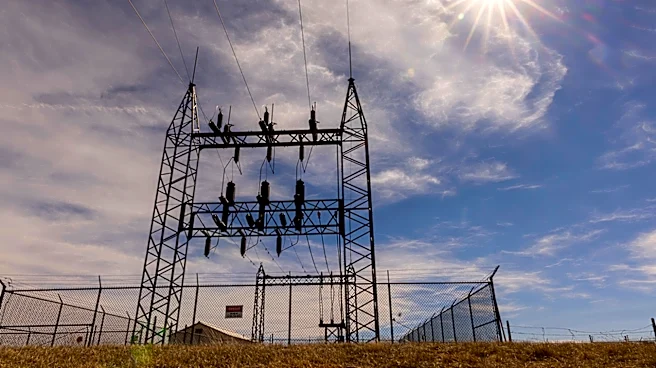
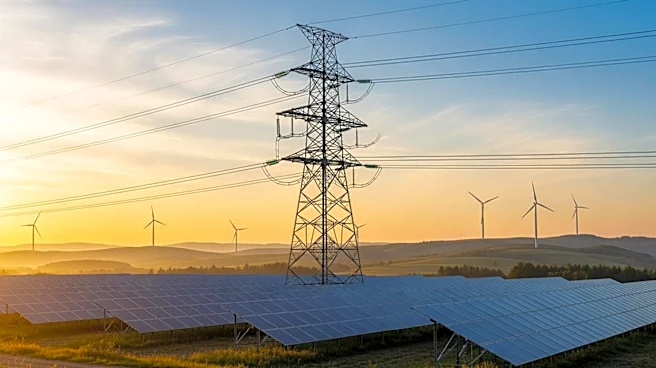
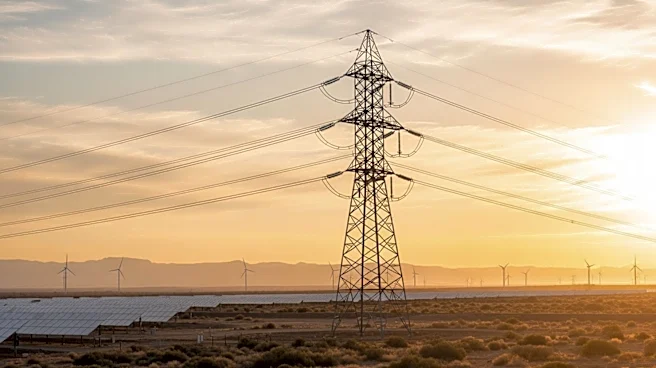
The Southwest Power Pool (SPP) has expanded its regional transmission organization, connecting western and eastern electric grids to enhance access to clean energy across the West and Great Plains, including states like Colorado, Wyoming, Nebraska, Utah,
and Arizona. This expansion aims to improve electric grid reliability and allow utilities to purchase more affordable wholesale energy. Environmental groups, such as the Sierra Club, support this move for its potential to create more efficient and cost-effective energy markets, utilizing renewable resources like wind and solar. The expansion includes major utilities like Colorado Springs Utilities (CSU), which is currently under scrutiny for its plans to extend the life of a coal unit. Public interest groups argue that reverting to fossil fuels could threaten Colorado's climate goals and increase costs for consumers.
Why It's Important?
The expansion of the SPP is significant as it represents a major step towards integrating renewable energy sources into the power grid, potentially lowering electricity costs and increasing grid resilience. By connecting more regions, the SPP can facilitate a more diverse and stable energy supply, reducing reliance on fossil fuels. This move aligns with broader climate goals and could lead to significant environmental benefits. However, the success of this initiative depends on utilities' willingness to embrace renewable energy opportunities. The decision by utilities like CSU to continue using coal could undermine these efforts, highlighting the tension between economic interests and environmental goals.
What's Next?
Utilities and regulators are expected to evaluate the benefits of the SPP expansion and decide on their energy portfolios. The focus will be on whether utilities will seize the opportunity to transition to cleaner energy sources. Public interest groups will likely continue to advocate for renewable energy adoption, while monitoring the actions of utilities like CSU. The outcome of these decisions could influence energy policy and climate strategies in the region.