




What's Happening?
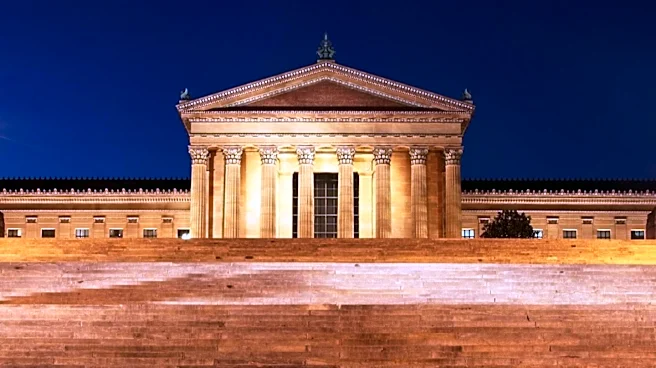
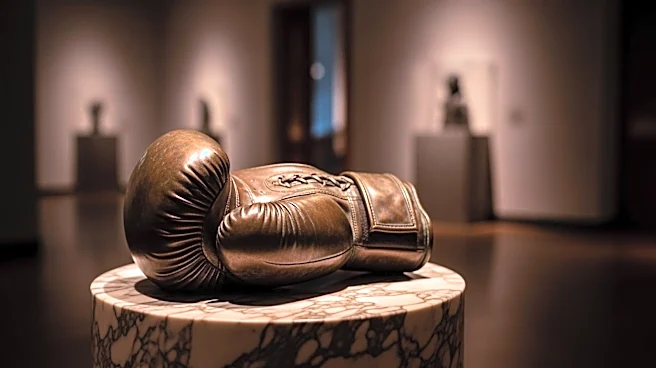
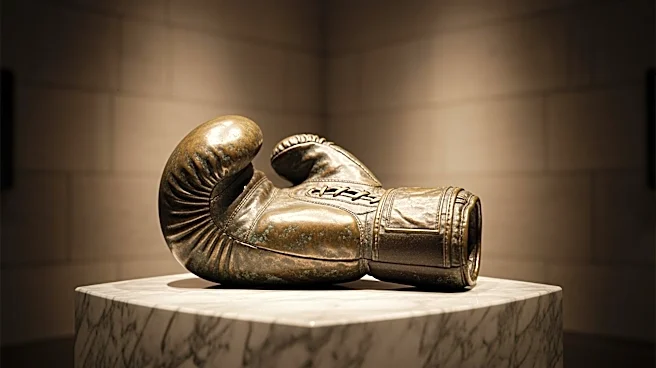
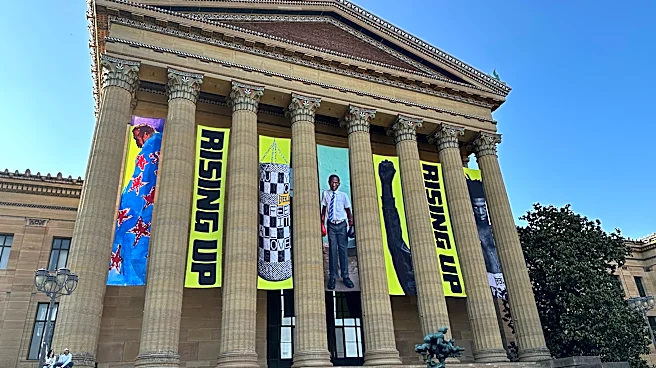
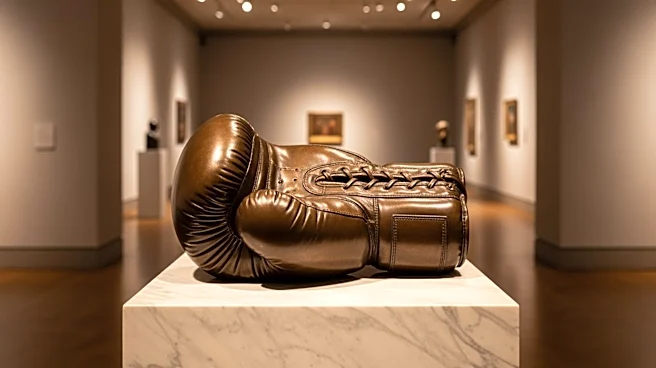
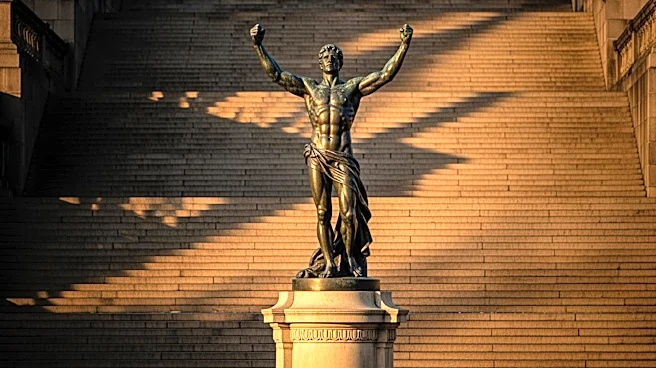
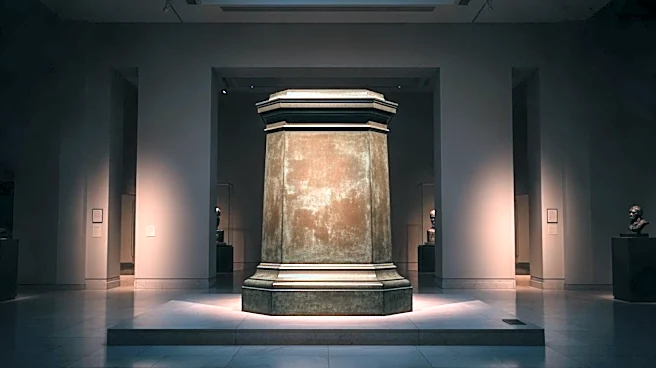
The iconic bronze statue of Rocky Balboa, the fictional heavyweight champion portrayed by Sylvester Stallone, has been moved inside the Philadelphia Museum of Art for the first time. This relocation is part of the museum's new exhibition, 'Rising Up:
Rocky and the Making of Monuments,' which commemorates the 50th anniversary of the original 'Rocky' film. The statue, which has been a fixture outside the museum for over 20 years, was originally a prop from the 1982 film 'Rocky III.' The exhibition features over 150 pieces of art and artifacts, some dating back more than 2000 years, and aims to explore the intersection of art, sports, and popular culture. The exhibition will be on display until August 2.
Why It's Important?
The relocation of the Rocky Balboa statue to the Philadelphia Museum of Art signifies a shift in the perception of what constitutes legitimate art. For years, the statue was at the center of debates within the art community regarding its status as a movie prop versus a piece of art. Its inclusion in a major exhibition at a renowned museum highlights how cultural symbols can evolve over time and gain recognition as significant public artworks. This move also underscores the statue's role in Philadelphia's civic and cultural identity, drawing nearly as many visitors as the Statue of Liberty. The exhibition provides an opportunity to reframe the narrative around the statue and its connection to the city.
What's Next?
The exhibition 'Rising Up: Rocky and the Making of Monuments' will continue to be on display at the Philadelphia Museum of Art until August 2. During this time, it is expected to attract a significant number of visitors, both locals and tourists, who are interested in exploring the broader themes of memory, identity, and representation in public art. The museum may also host related events and discussions to further engage the public in conversations about the evolving nature of monuments and their impact on cultural identity.
Beyond the Headlines
The inclusion of the Rocky Balboa statue in a major art exhibition raises questions about the evolving definitions of art and the role of popular culture in shaping public spaces. It challenges traditional notions of what is considered 'high art' and opens up discussions about the power of cultural symbols to transcend their original contexts. This development may encourage other institutions to reconsider the cultural significance of similar artifacts and their potential to contribute to public discourse on identity and representation.