
What's Happening?
The James Nautilus Miami Beach is set to open in late 2026 as the flagship property of The James Hotels, a lifestyle hospitality brand by Sonesta International Hotels. This new venture aims to blend timeless
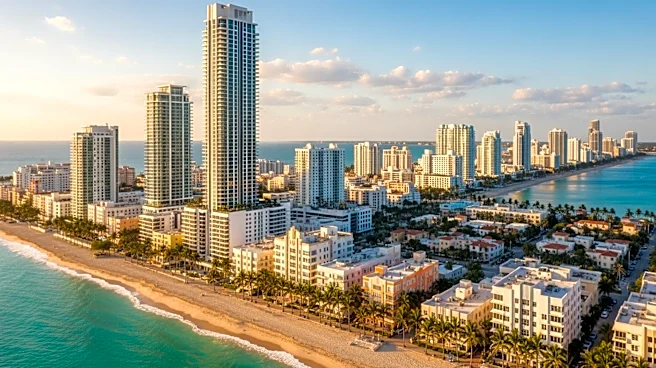
design with vibrant social energy and personalized hospitality. The hotel will be located on Collins Avenue, Miami Beach, and will feature 250 rooms. It pays homage to the original Nautilus Hotel, designed by Morris Lapidus in the early 1950s, known for its glamorous appeal. The design, led by Anderson Miller, will incorporate the playful charm of MiMo Miami with a contemporary twist. The hotel will also feature food and beverage outlets by LDV Hospitality, offering Mediterranean-style fare, a refined omakase experience, and a late-night lounge. This opening marks the beginning of The James Hotels' expansion into urban destinations, with a Downtown Miami property planned for 2030.
Why It's Important?
The opening of The James Nautilus Miami Beach signifies a significant development in Miami's hospitality landscape, potentially boosting tourism and local economy. By reviving an iconic property with modern amenities and design, the hotel aims to attract both tourists and locals, enhancing Miami Beach's appeal as a luxury destination. The collaboration with LDV Hospitality suggests a focus on high-quality dining experiences, which could set new standards in the local culinary scene. This project also reflects broader trends in the hospitality industry, where historical properties are being reimagined to meet contemporary tastes, blending nostalgia with modern luxury. The expansion plans indicate confidence in Miami's growth as a major urban destination, potentially influencing real estate and tourism sectors.
What's Next?
As the opening date approaches, further details about the hotel's offerings and design are likely to emerge, potentially attracting interest from investors and future guests. The planned expansion into Downtown Miami by 2030 suggests ongoing development and investment in the region, which could lead to increased competition among luxury hotels. Stakeholders, including local businesses and tourism boards, may engage in promotional activities to capitalize on the anticipated influx of visitors. The success of this project could influence future hospitality developments, encouraging similar revitalization efforts in other historic properties.