
What's Happening?
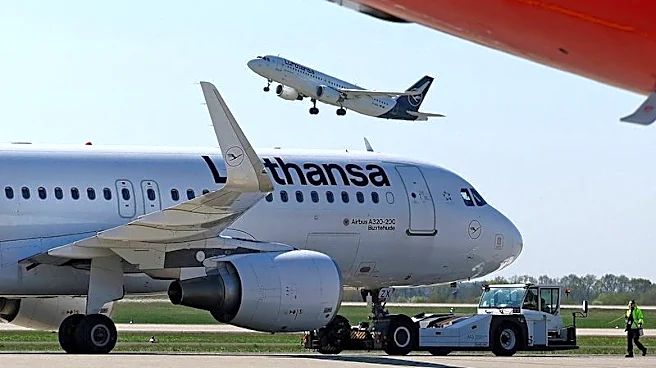
British Airways, under its parent company International Airlines Group (IAG), is experiencing financial strain due to soaring jet fuel costs linked to the ongoing Iran oil crisis. The company anticipates
spending approximately £1.72 billion more on fuel than initially planned for the year. This financial pressure has led to the cancellation of around 120 UK departures in May, representing 0.53% of scheduled flights, as reported by aviation analytics firm Cirium. The cancellations are part of a broader trend affecting the aviation industry, with global flight cancellations reaching 13,005 in May, reducing capacity by nearly two million seats. Despite these challenges, IAG CEO Luis Gallego remains confident in the company's business model and strategy, although acknowledging the impact on profits.
Why It's Important?
The rising cost of jet fuel and subsequent flight cancellations have significant implications for the aviation industry and travelers. Airlines are forced to make difficult decisions to manage costs, which can lead to reduced flight availability and potential disruptions for passengers. The situation highlights the vulnerability of the aviation sector to geopolitical tensions, such as the Iran conflict affecting oil prices. Additionally, the financial strain on airlines could lead to increased ticket prices, affecting consumer travel behavior and potentially impacting tourism-dependent economies. The industry's response to these challenges will be crucial in maintaining operational stability and customer confidence.
What's Next?
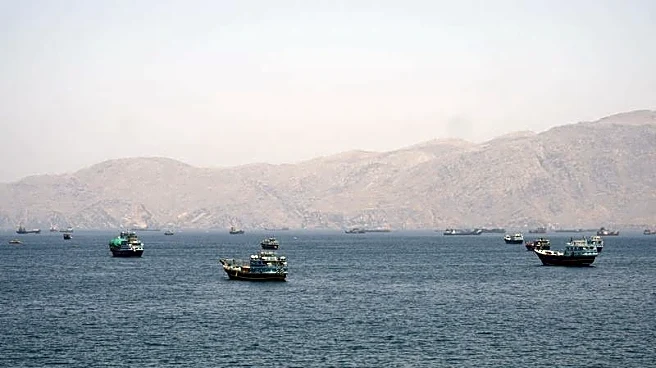
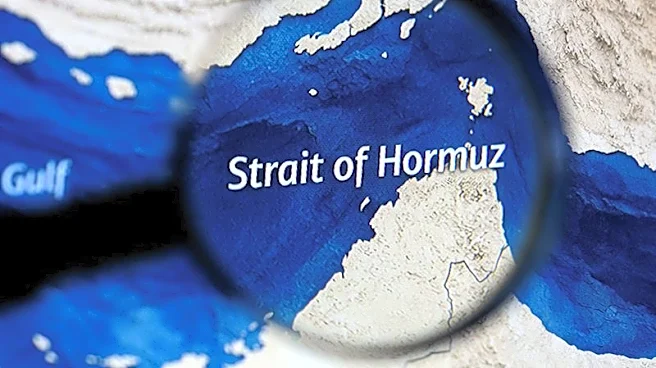
As the situation develops, airlines may continue to adjust their schedules and capacity to manage fuel costs effectively. The UK government has taken steps to mitigate the impact by securing additional fuel supplies from America and increasing refinery output. However, the ongoing geopolitical tensions and potential for further disruptions in the Strait of Hormuz could lead to more cancellations. Airlines will need to balance cost management with maintaining service levels, and travelers may need to prepare for potential changes to their travel plans. The aviation industry will be closely monitoring the situation and may seek further government support or regulatory adjustments to navigate these challenges.