








What's Happening?
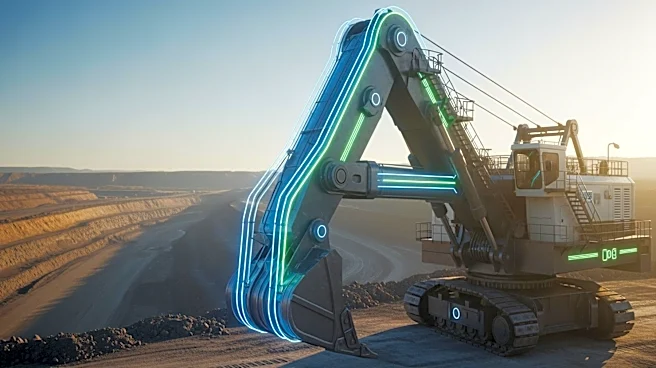
The mining industry is increasingly focusing on electrification as a means to reduce greenhouse gas emissions, as highlighted at the Electric Mine 2026 conference held in Lisbon, Portugal. The event showcased significant progress in the adoption of electrification technologies
within the sector. Electrification involves replacing fossil fuels with electricity generated from renewable sources like wind, solar, and hydro. This shift is seen as crucial for reducing the industry's carbon footprint. The conference emphasized a realistic approach to electrification, with industry leaders acknowledging the need for these technologies to meet traditional economic metrics. Companies like Boliden and Cimnak are leading the way by implementing advanced electrification technologies to reduce diesel consumption and improve sustainability. The International Council on Mining and Metals (ICMM) is also working towards deploying zero-emission vehicles in surface mining by 2030, with full adoption expected by 2040.
Why It's Important?
The move towards electrification in the mining industry is significant as it addresses the urgent need to reduce greenhouse gas emissions, a major contributor to climate change. By transitioning to renewable energy sources, the industry can significantly lower its carbon footprint, aligning with global efforts to achieve net-zero emissions by 2050. This shift not only benefits the environment but also positions the mining sector as a leader in sustainable practices. Companies that adopt these technologies early may gain a competitive advantage, as they can reduce operational costs associated with fossil fuels and meet increasing regulatory and consumer demands for sustainability. The success of electrification in mining could also serve as a model for other industries, promoting broader adoption of renewable energy technologies.
What's Next?
The mining industry is expected to continue its transition towards electrification, with a focus on scaling up the deployment of electric technologies. Companies will likely invest in infrastructure to support large-scale fleet transitions and explore automation to optimize their electrified operations. The ICMM's strategy to implement zero-emission vehicles by 2030 will require collaboration among industry stakeholders, including original equipment manufacturers and service providers. As the industry progresses, there will be ongoing discussions about accelerating the deployment and commercialization of these technologies. The success of these initiatives will depend on overcoming challenges such as high costs and infrastructure limitations, as well as ensuring the safety and reliability of new technologies.