








What's Happening?
A significant insider trading scandal has been uncovered involving attorneys from some of the most prestigious law firms in the United States. The Department of Justice has charged 30 individuals in connection with a decade-long insider trading ring.
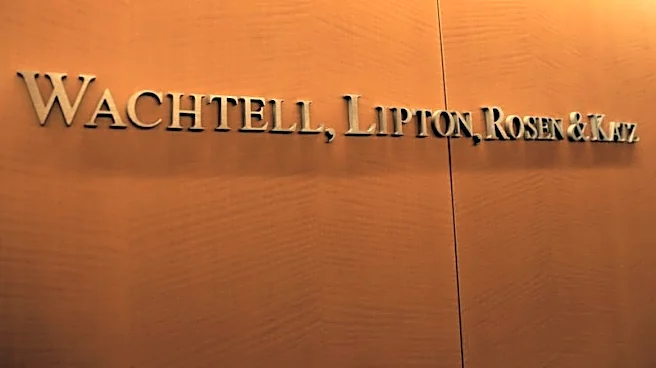
This scheme was orchestrated by Nicolo Nourafchan, a Yale Law graduate who worked at several major law firms, including Sidley Austin, Latham & Watkins, and Cleary Gottlieb. Among those charged is Gabriel Gershowitz, a former counsel at Willkie Farr & Gallagher, who allegedly shared confidential information about a $5 billion acquisition deal involving Enstar. Gershowitz reportedly received a kickback for his role in the scheme. The scandal has implicated several other law firms, including Wachtell Lipton Rosen & Katz, which has denied any wrongdoing and stated that the responsible party left the firm years ago.
Why It's Important?
This insider trading scandal highlights significant ethical breaches within the legal profession, particularly among elite law firms. The involvement of high-profile firms and attorneys underscores the potential for abuse of privileged information, which can undermine public trust in legal institutions. The case also raises questions about the effectiveness of compliance policies at major law firms and the need for stricter enforcement of ethical standards. The scandal could lead to increased scrutiny of law firms' internal practices and potentially result in more stringent regulations to prevent similar incidents in the future. The legal community and its clients may face reputational damage, and the case could have broader implications for corporate governance and regulatory compliance.
What's Next?
As the investigation continues, more details about the extent of the insider trading scheme and the individuals involved are likely to emerge. The legal proceedings will determine the consequences for those charged, including potential prison sentences and financial penalties. Law firms implicated in the scandal may face increased regulatory scrutiny and pressure to enhance their compliance measures. The case could prompt a broader discussion within the legal industry about the need for reforms to prevent similar ethical breaches. Stakeholders, including clients and regulatory bodies, will be closely monitoring the developments to assess the impact on the legal profession and corporate practices.