

What's Happening?
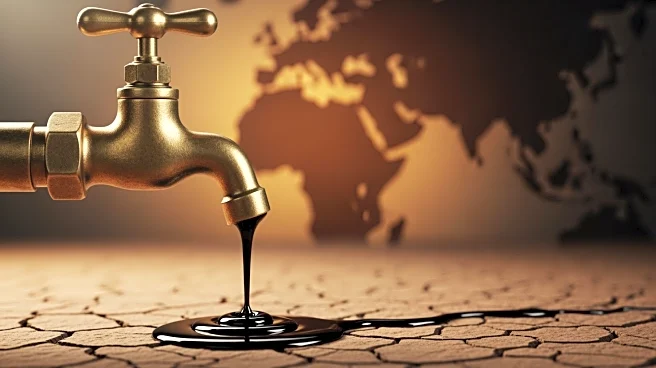
EJ Antoni, a former nominee by President Trump for the Bureau of Labor Statistics, has expressed concerns about the U.S. economy's ability to withstand the current surge in oil prices, which have exceeded $100 per barrel. This increase is attributed to the ongoing
conflict involving the U.S., Israel, and Iran, which has disrupted global energy markets. Antoni, now the chief economist at the Heritage Foundation, highlighted that the economy is weaker than previously thought, with inflation being more severe than anticipated. The conflict has led to Iranian strikes on Gulf energy facilities, further escalating oil and gas prices and causing tensions in the Strait of Hormuz, a critical oil shipping route.
Why It's Important?
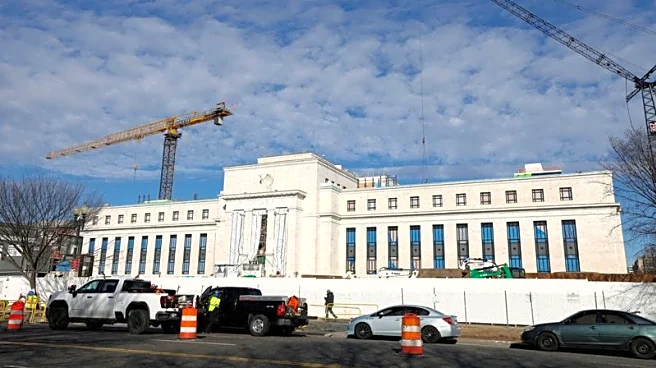
The rise in oil prices is expected to have a cascading effect on the U.S. economy, potentially increasing consumer prices and exacerbating existing economic vulnerabilities. Antoni's warnings come at a time when the Federal Reserve has decided to hold interest rates steady, while projecting a rise in inflation due to higher energy costs. The situation poses a significant challenge for economic policymakers, as the conflict's duration and impact on energy infrastructure remain uncertain. Rising gas prices are also affecting public opinion, as indicated by polling data showing a negative impact on the president's approval ratings.
What's Next?
The future impact of the Iran conflict on U.S. inflation and economic growth is uncertain and largely depends on the conflict's duration and the extent of damage to energy infrastructure. Federal Reserve Chair Jerome Powell has noted the difficulty in predicting the conflict's economic impact due to its uncertain nature. The situation remains fluid, with officials providing limited information on when the conflict might conclude, leaving the economic outlook unpredictable.