


What's Happening?
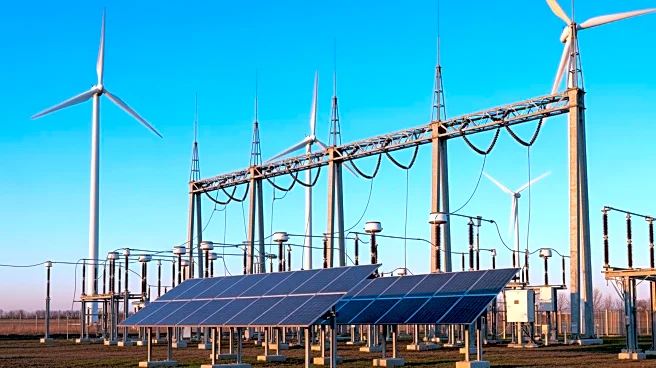
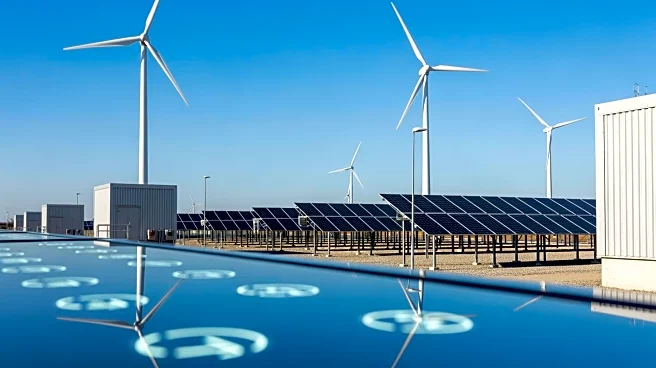
Electric utilities in the U.S. are increasingly focusing on building new clean energy infrastructure as a means to create long-term value. This strategy, exemplified by Warren Buffett’s Berkshire Hathaway utilities and Xcel Energy’s 'Steel for Fuel' approach,
involves the development of renewables, battery storage, and nuclear energy resources. Integrated Resource Plans (IRPs) are crucial in this process, as they help determine the optimal mix of generation and demand-side options to meet electricity needs reliably and affordably. These plans are significant for shareholders because they allow utilities to earn a return on investment, typically approved at 9 to 11% by state regulators, while the actual cost of equity capital is closer to 7-8%. This discrepancy results in steady cash flow and increased shareholder value. The transition to clean energy also impacts the frequency of fossil fuel plant dispatches and carbon dioxide emissions, aligning with the interests of globally diversified investors exposed to climate change effects.
Why It's Important?
The shift towards clean energy infrastructure is pivotal for both economic and environmental reasons. For investors, it represents a stable and predictable source of returns, as utilities can convert future fuel costs into capital costs, enhancing shareholder value. This transition also aligns with broader climate goals by reducing reliance on fossil fuels and lowering carbon emissions. The transparency and accuracy of cost assumptions in IRPs are critical, as they influence the decision-making process and the ability to capitalize on clean energy opportunities. As federal policies and inflationary pressures evolve, maintaining up-to-date and transparent cost assumptions becomes increasingly challenging yet essential for informed investment decisions. This development not only benefits investors but also supports a more sustainable and resilient energy system, contributing to long-term economic and environmental stability.
What's Next?
Utilities are expected to continue refining their IRPs to better reflect current and future cost assumptions, ensuring they capitalize on clean energy opportunities. This involves greater transparency in disclosing cost assumptions and modeling potential cost declines for solar and energy storage technologies. As federal policies and market conditions change, utilities will need to adapt their strategies to maintain competitiveness and meet regulatory requirements. Stakeholders, including investors and regulators, will likely push for more detailed and forward-looking disclosures to ensure that utilities are fully pursuing value creation opportunities. The ongoing transition to clean energy will require continuous collaboration between utilities, policymakers, and investors to address challenges and leverage opportunities for sustainable growth.
Beyond the Headlines
The move towards clean energy infrastructure has broader implications beyond immediate financial returns. It represents a significant shift in how energy systems are planned and operated, with potential impacts on job creation, technological innovation, and energy security. As utilities invest in renewables and storage technologies, there is an opportunity to drive advancements in these fields, fostering economic growth and enhancing the U.S.'s position in the global clean energy market. Additionally, the transition supports environmental justice by reducing pollution and its associated health impacts, particularly in communities historically burdened by fossil fuel infrastructure. This holistic approach to energy planning underscores the interconnectedness of economic, environmental, and social factors in shaping a sustainable future.