


What's Happening?
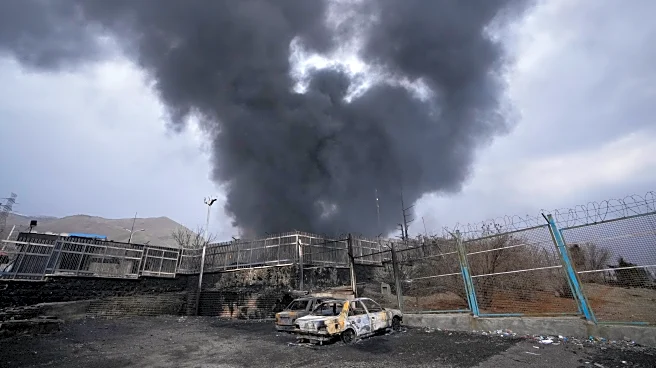
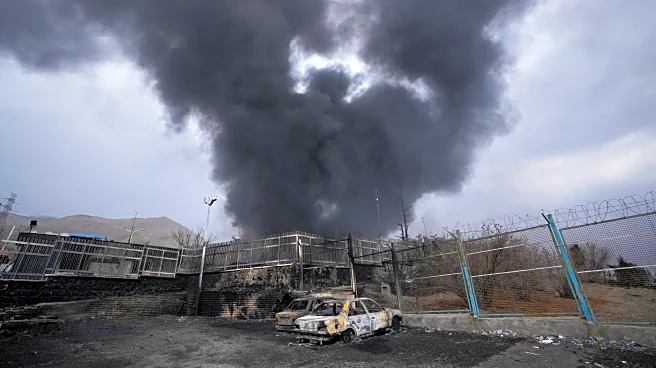
The ongoing conflict in Iran has led to increased market volatility, with equities trading choppily and gold prices rising. Oil prices have reached 52-week highs, with Brent crude trading above $92 per barrel. U.S. officials have indicated that the conflict may
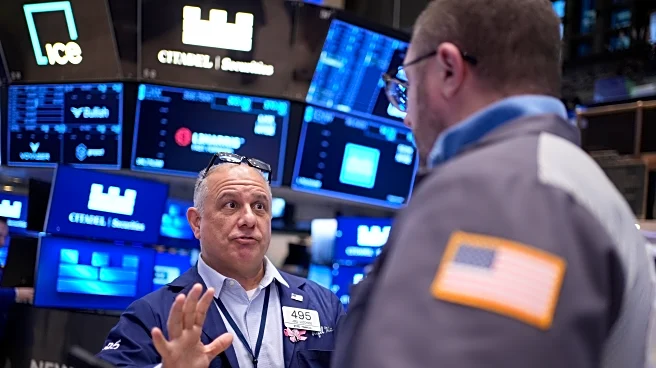
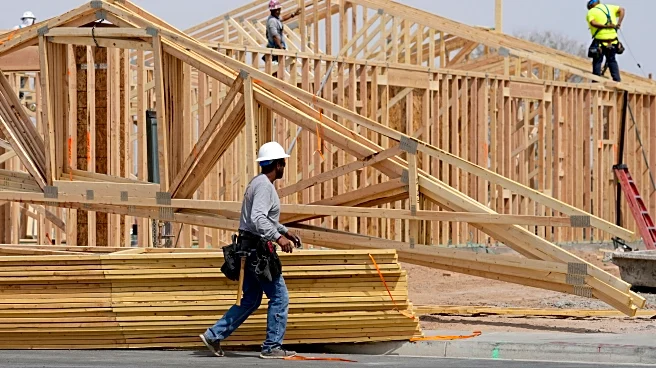
continue, and President Trump has stated that any resolution would require Iran's unconditional surrender. The uncertainty has driven investors towards safe-haven assets like gold, which has seen a price increase of over 1%. The global markets have also been affected, with significant declines in the Dubai Financial Market and the pan-European STOXX 600. Economic data has added to the uncertainty, with the U.S. economy losing 92,000 jobs in February and retail sales slipping in January.
Why It's Important?
The conflict in Iran and the resulting market volatility highlight the interconnectedness of global geopolitical events and financial markets. The rise in oil prices due to potential energy supply disruptions can have far-reaching effects on global economies, increasing costs for businesses and consumers. The shift towards safe-haven assets like gold indicates a lack of confidence in the stability of the current market environment. The economic data showing job losses and declining retail sales further complicates the outlook for the U.S. economy, raising concerns about the potential for a broader economic slowdown.
What's Next?
Investors will be closely monitoring the situation in Iran and its impact on global energy markets. Any escalation in the conflict could lead to further increases in oil prices and heightened market volatility. The Federal Reserve's response to these developments will be critical, as it seeks to balance the risks of inflation and economic slowdown. Market participants will also be watching for further economic data to assess the health of the U.S. economy and the potential for recovery. The outcome of these events will likely influence investment strategies and market sentiment in the coming weeks.